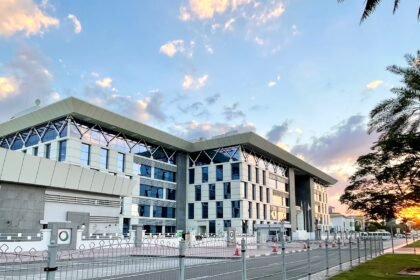
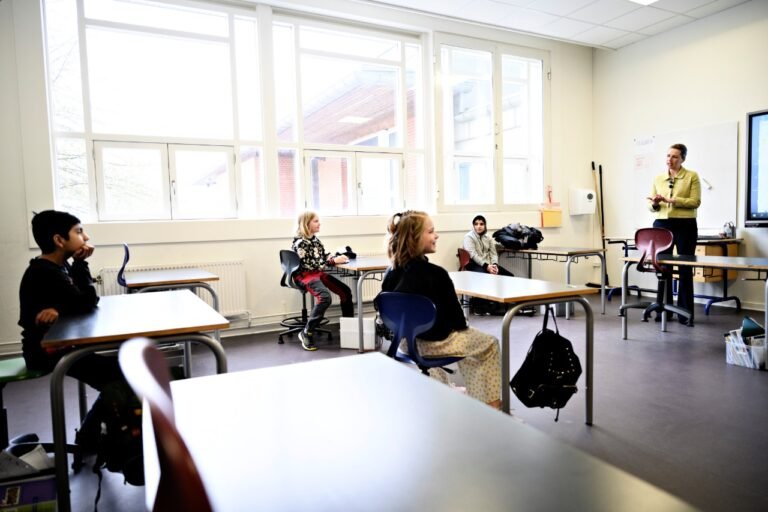
London, England – England faces a growing demographic challenge in the coming years that could directly impact the education sector. Significant gaps in student numbers are expected in classrooms. This is a consequence of the continued decline in birth rates.
Recent population data and statistics indicate that the number of children in younger age groups has begun to gradually decrease. This is already being reflected in some areas, particularly in cities and suburbs that previously experienced high student density. This decline has prompted education authorities to reassess their future plans, including the number of schools, classrooms, and teaching staff.
In some cases, local authorities have begun exploring the possibility of merging classes or redistributing students between different schools. This is an attempt to reduce waste of operational resources while maintaining the quality of education.
Education experts believe that the crisis is not limited to schools but reflects a broader shift in the demographic structure of British society. The decline in birth rates coincides with changes in family patterns and economic lifestyles. This necessitates a long-term restructuring of education policies by the government.
Specialists warn that if this trend continues, it could lead to a major restructuring of the education sector within the next decade. This may involve closing or merging some schools. Conversely, other schools may be expanded within more densely populated areas. This is an attempt to balance resources with the actual needs of students.
Declining birth rate threatens empty classrooms in England
Britain: The impact of declining student numbers on schools

Medhat Elsheikh
Medhat El-Sheikh, editor-in-chief of the Voice of Emirates News Agency office in Cairo, is a seasoned Egyptian journalist with extensive experience both within Egypt and abroad....


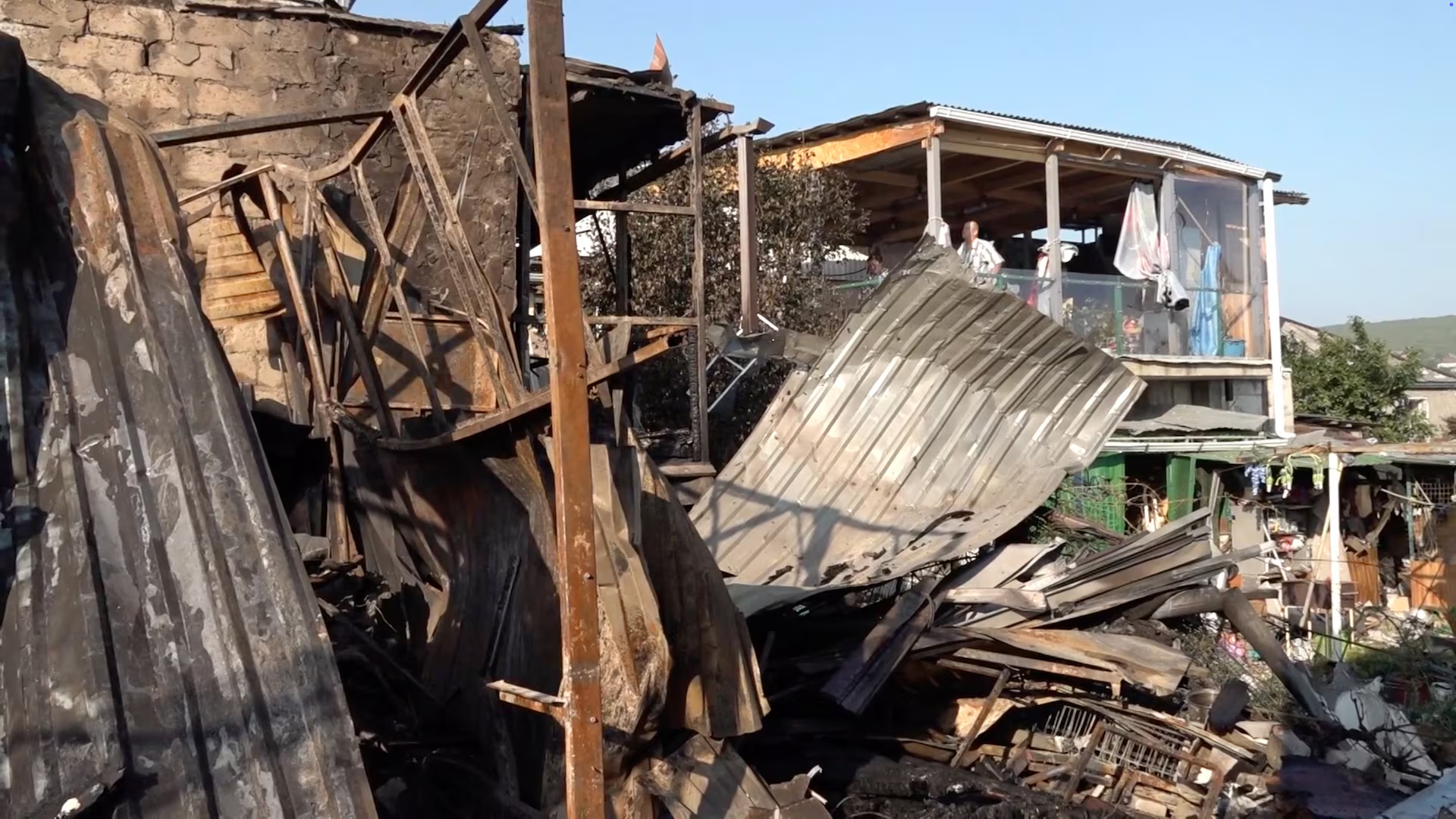
Title: Russian City of Novorossiysk Declares Emergency After Ukrainian Drone Attack Cuts Water Supply
Service facilities and schools damaged as municipal emergency teams assess fallout in Black Sea port
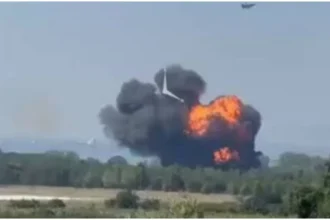
Turkish F-16 Fighter Jet Crashes in Yalova, Pilot Ejects Safely
Defense Ministry launches technical investigation into training flight incident in northwestern Turkey

Israeli Airstrike Targets Outskirts of Al-Mansouri in Southern Lebanon
Escalating border tension raises international concerns over broader regional military conflict

French Consulate in Beirut Denies Visa Suspension Rumors, Clarifies Processing Delays
Surge in applicant volume causes appointment delays as consulate confirms…