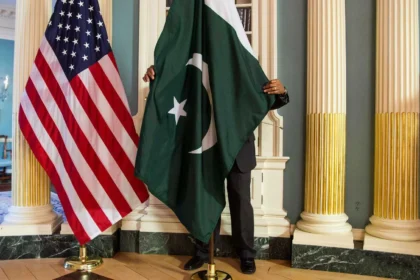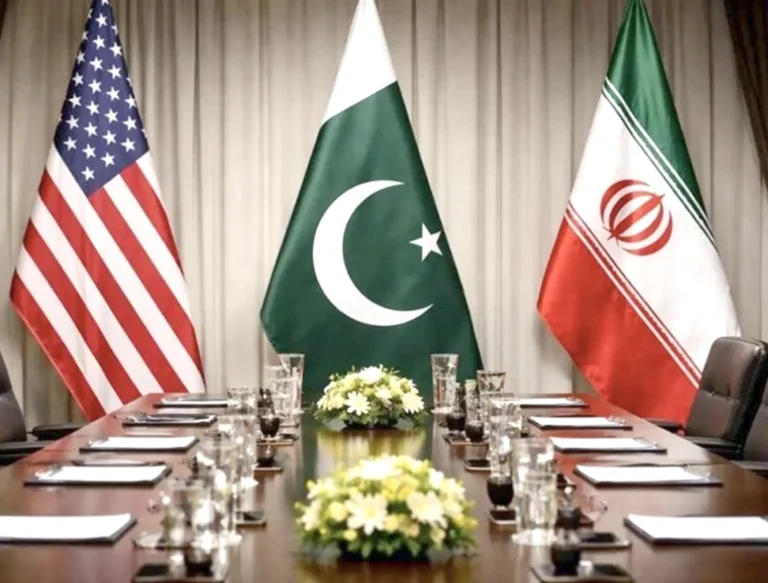
Islamabad, Pakistan – A high-ranking Pakistani source revealed that Pakistan is leading intensive diplomatic efforts to break the political deadlock between the United States and Iran.
The source also affirmed Islamabad’s confidence in its ability to persuade Tehran to engage in direct talks with Washington.
This mediation comes at a highly sensitive time in 2026.
Pakistan seeks to leverage its balanced relations with both sides to de-escalate the military conflict that erupted last March.
It is also attempting to find a formula for understanding that reconciles the demands of President Donald Trump’s administration
regarding nuclear issues with Tehran’s desire to alleviate economic and military pressure.
Diplomatic coordination to reduce regional escalation
The source explained that the Pakistan leadership has been conducting high-level contacts
with officials in Tehran to bridge the gap between their positions.
He indicated that the exchanged messages focus on the necessity of shifting from military confrontation in the Gulf to a diplomatic track.
Islamabad believes that sitting down at the negotiating table is the only way to prevent the region from sliding into a full-blown war.
This is particularly important given the accusations leveled against Iran of threatening American bases
and destabilizing neighboring countries through ideological cells.
Washington insists that these issues be placed on the agenda of any future dialogue.
The Trump administration and the opportunities for conditional dialogue
Pakistan efforts coincide with the Trump administration’s increasingly hardline rhetoric.
The administration has repeatedly asserted that Iran’s acquisition of nuclear weapons is a red line that cannot be crossed.
According to the Pakistani source, Washington has expressed a conditional openness to listening to Iranian proposals,
provided Tehran demonstrates a genuine commitment to changing its regional behavior.
Islamabad is playing a facilitating role to ensure these negotiations do not become bogged down in complex preconditions.
This role is underpinned by an international desire to protect global trade routes
and energy infrastructure, which have been impacted by recent military operations.
Challenges of mediation and guarantees of success
Despite Pakistani confidence, this mediation faces significant challenges on the ground,
particularly with the continued subversive activities of cells linked to the “Guardianship of the Islamic Jurist” (Velayat-e Faqih) in the Gulf states.
This could undermine the chances of success. Nevertheless, the source emphasized that Pakistan is offering “procedural guarantees”
to secure discreet channels of communication, paving the way for public meetings.
The source believes that the success of this step will redraw the map of power balances in the Middle East.
Gulf capitals, especially Abu Dhabi and Riyadh, are awaiting the outcome of these moves with “emotional composure.”
They have also stressed that any agreement must fully guarantee
a cessation of Iranian interference in the internal affairs of the region’s countries.