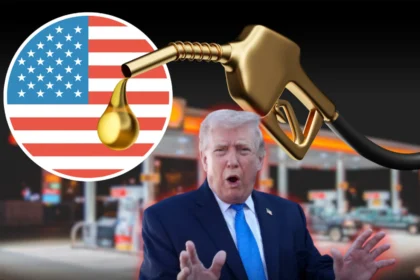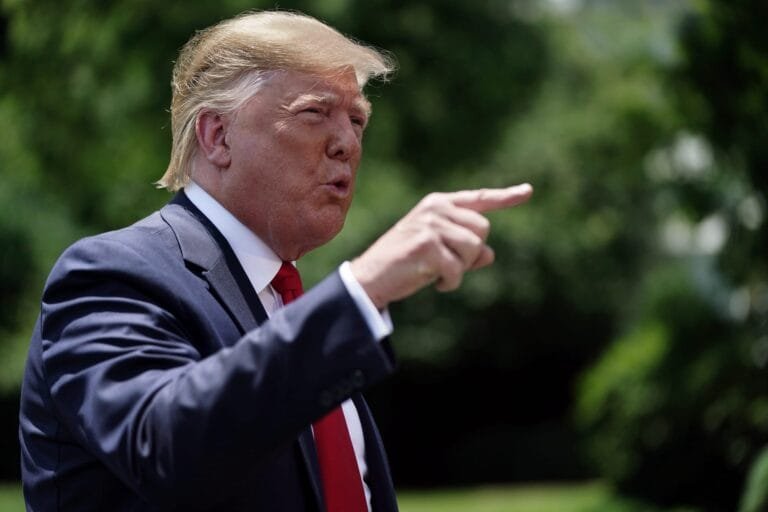
Washington, DC – US President Donald Trump described the progress in ongoing negotiations with Iran as “very good.” He noted that Tehran officials appear reluctant to publicly acknowledge the talks. These remarks came during a wide-ranging interview broadcast on Fox News. This interview shed light on the intricacies of the escalating diplomatic and military crisis in the region.
Stalled negotiations and contradictory statements
In the interview, the US president elaborated on the nature of the ongoing communication, saying, “They say we’re having great talks, but then someone from Iran comes along and says we didn’t have a meeting.” He then questioned Tehran’s denial of discussing the nuclear issue, asking rhetorically, “So, what did we talk about? Are we just sitting there doing nothing?” Trump concluded by asserting that public statements from Tehran were irrelevant, stating, “The only thing that matters is action.” He affirmed Tehran’s desire to reach a settlement, adding, “They want a deal. We’ll see what happens. If they don’t make a deal, it will be very bad for them.”
Strong warnings regarding the Strait of Hormuz and the nuclear issue
In his strongest warning yet, Trump threatened a decisive military response should Iran renege on any potential agreement. He also asserted that the Strait of Hormuz would reopen very soon. “Unless they get hit very hard, and then the strait will open,” he added. “They know that, and they understand it.” He reiterated his administration’s firm stance, stating, “I have no other choice. They cannot have nuclear weapons. It’s very simple.”
The US president indicated that Iran is not currently capable of possessing a nuclear weapon. He also emphasized that this matter would be formalized through a forthcoming agreement. Moreover, Trump revealed that Washington had been planning a massive attack. He described it as “the biggest attack since World War II.” However, Tehran officials quickly requested negotiations to avert it. He added, “They called me and said, very politely, ‘Please, can we talk?'”
The Iranian position and the mutual accusations
Regarding the interview and the American approach, Iranian reports cited a well-informed source. The main reason behind any potential delay in reaching an agreement with Oman on reopening the Strait of Hormuz, according to the source, lies in “continued American interference and Trump’s military threats.” The Iranian source emphasized that Tehran will not conclude any agreement as long as the American threats and military pressure persist. Thus, this reflects the ongoing tug-of-war between the two sides. Meanwhile, international anticipation is growing over what the coming days will bring.