

Oslo, Norway – “The Growing of the Soil” is considered one of the most important literary works of the 20th century. It marked a turning point in the career of Norwegian writer Knut Hamsun and led to him winning the Nobel Prize in Literature in 1920,
after he presented a profound vision of the relationship between humanity and nature, and the value of work and production.
First published in 1917, the novel quickly gained widespread acclaim from critics and readers alike,
thanks to its distinctive literary style and its ability to portray rural life with both simplicity and depth.
It subsequently became a classic of world literature.
Man and his ability to shape his future
The novel revolves around Isaac, a man who decides to leave city life and settle in a remote area.
There, he starts from scratch, reclaiming land and building a farm through his own efforts.
The area gradually transforms into a vibrant community, embodying the idea of humanity’s connection
to the land and its ability to shape its future through perseverance and hard work.
Critics have noted that “Growing Soil” is not merely a story about agriculture or the countryside.
It carries philosophical and social dimensions,
reflecting the conflict between simple, natural life and the industrial expansion
that Europe witnessed at the beginning of the 20th century.
It also highlights the importance of stability, productivity, and remaining rooted in one’s heritage.
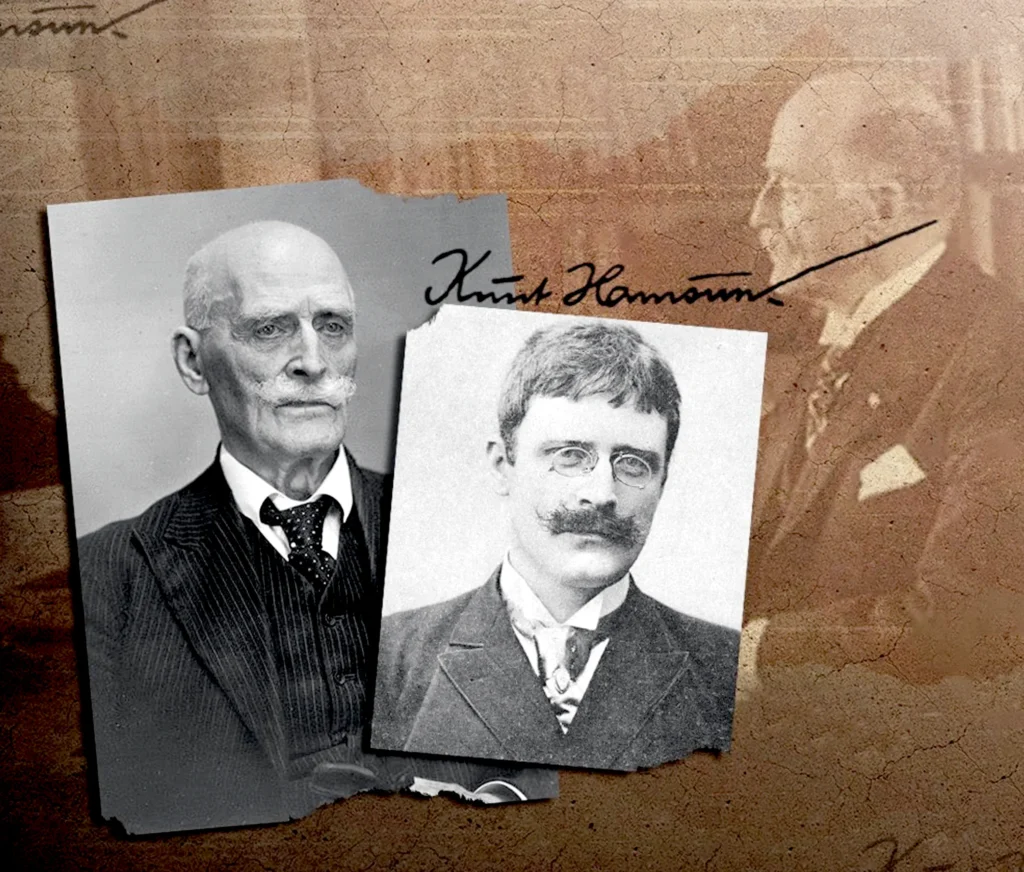
A clear imprint on European literature
The Swedish Academy awarded Knut Hamsun the Nobel Prize in Literature in recognition of
what it described as his “epic masterpiece, The Growing of the Soil.”
The Academy considered the novel to offer an exceptional literary portrayal of human life and nature,
and to have contributed significantly to the development of the modern novel.
Hamsun is ranked among the most influential writers of the 20th century,
having left a clear mark on European literature and influenced numerous prominent authors.
His political stances during World War II sparked considerable controversy and cast a shadow over his literary legacy.
Despite this controversy, The Growing of the Soil continues to be taught in universities worldwide
and has been translated into dozens of languages.
It is considered a model of literature that combines humanistic and philosophical dimensions,
and celebrates the value of work and connection to the land as fundamental to the building and continuity of societies.