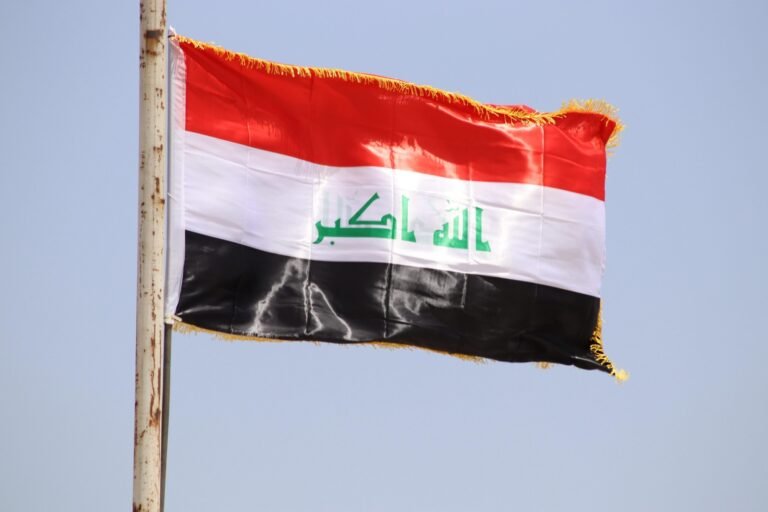
Baghdad, Iraq – The Iraqi President has emphasized the utmost importance of continuous dialogue between various regional and international parties, stressing the need to spare the region from the risks of sliding into new conflicts. These official statements come amid escalating tensions across several arenas, placing Baghdad at the heart of diplomatic efforts aimed at de-escalation. Accordingly, the Iraqi role in regional de-escalation represents a fundamental pillar in preventing the expansion of conflict, as Iraq consistently calls for the dominance of wisdom and political solutions over military confrontation.
International Coordination to Avoid Humanitarian and Security Repercussions
The Iraqi President clarified that the current stage requires greater coordination between countries to avoid the consequences of any escalation that could negatively impact the peoples of the region, noting that continued conflicts exacerbate deteriorating humanitarian conditions and directly threaten regional security. Obviously, Iraq seeks—through its balanced relations with various parties—to bridge diverging viewpoints. As a result, observers see Baghdad as a “trusted mediator” capable of proposing initiatives that support de-escalation paths and enhance the chances of reaching comprehensive settlements away from the logic of armed struggle.
Betting on Diplomacy to Contain Tensions and Achieve Sustainable Stability
The President stressed that the language of dialogue remains the only way to overcome complex crises, affirming that Iraq supports all international efforts aimed at establishing the foundations of peace. Certainly, the cost of escalation will be high on both humanitarian and economic levels, necessitating the international community’s return to the negotiating table. Accordingly, the Iraqi role in regional de-escalation remains pivotal in shaping a new landscape based on stability and development, rather than being dragged toward confrontation scenarios that threaten the future of generations to come in the Middle East.