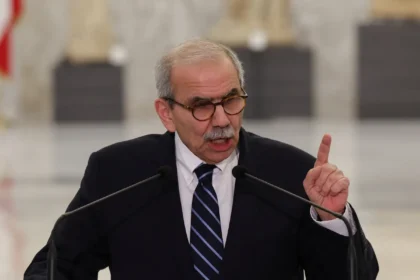
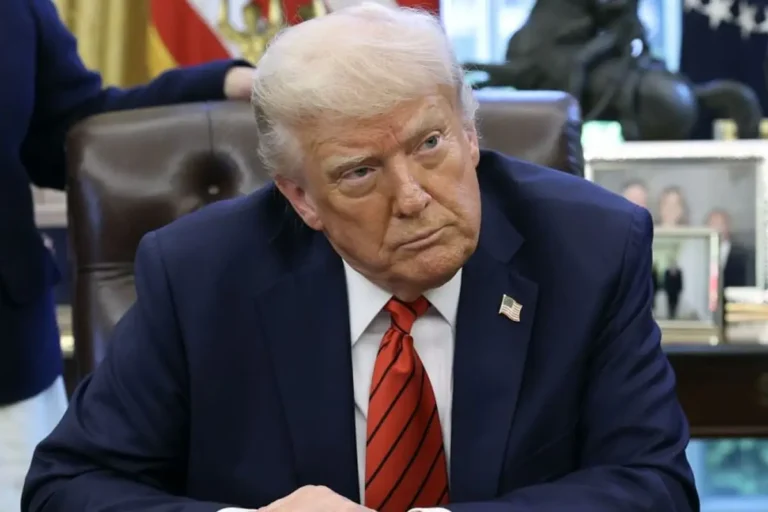
Washington, USA – US-Spanish relations have entered a new tunnel of diplomatic tension following a sharp attack by President Donald Trump on Spanish Prime Minister Pedro Sanchez. This confrontation comes at a time of intense international polarization, as Trump harshly criticized Madrid’s political and economic directions, reflecting the widening gap between the “America First” movement and socialist governments in Europe. Accordingly, the tension between Trump and the Sanchez government represents a true test of the durability of traditional trans-Atlantic alliances, especially as the US elections approach.
Immigration and Defense Spending: Core Pillars of the Attack on Madrid’s “Weak Approach”
Trump explicitly accused the Sanchez government of following a “weak” approach in managing the illegal immigration file, suggesting that Spain’s economic and domestic policies weaken its position within the European Union. Obviously, Trump’s criticisms were not limited to Spain’s internal affairs but included Madrid’s role in NATO, demanding an increase in defense spending levels. As a result, these statements emerged as part of Trump’s strategy to re-evaluate international partnerships based on the financial contributions and security commitments of each ally.
Madrid’s Response and Future Scenarios for Trans-Atlantic Relations
In response, the Spanish government described Trump’s statements as “lacking responsibility,” emphasizing that Madrid is committed to its leadership role in Europe and the Atlantic Alliance. Certainly, this political spat reflects a broader trend in Trump’s campaign to attack traditional allies to mobilize his populist base. Accordingly, the tension between Trump and the Sanchez government remains an indicator of potential radical changes in US foreign policy should Trump return to power, potentially opening the door to more complex diplomatic crises with European partners.