Washington, DC – President Donald Trump’s announcement of his support for invoking Section 702 of the Foreign Intelligence Surveillance Act (FISA) has sparked widespread controversy within US political and legal circles. This announcement has created a sharp divide between supporters and opponents. Some consider the section a necessary tool for protecting national security, while opponents view it as a dangerous expansion of surveillance powers at the expense of privacy.
Section 702 is one of the most controversial provisions of the US Foreign Intelligence Surveillance Act. It allows intelligence agencies, primarily the National Security Agency (NSA), to collect data and communications belonging to non-US citizens outside the United States. This can be done without requiring a prior individual court order. However, the problem lies in the fact that these operations could indirectly or “incidentally” lead to the collection of communications belonging to US citizens. This opens the door to legal and human rights criticisms.
Supporters of invoking the section argue that these powers are necessary to combat terrorism and cyber espionage. This is becoming increasingly important in light of the escalating cyber threats. Opponents warn that the lack of strict controls could transform it into a tool for mass surveillance that infringes on civil liberties and individuals’ right to privacy.
The debate surrounding the article comes at a time of growing calls within the US Congress to revise the provisions of the surveillance law. Demands are mounting for clearer restrictions on data collection, aiming to strike a balance between national security and the protection of citizens’ constitutional rights.
Trump supports reactivating Section 702… Widespread controversy over digital surveillance powers within the United States
Trump, Section 702, and its impact on privacy

Medhat Elsheikh
Medhat El-Sheikh, editor-in-chief of the Voice of Emirates News Agency office in Cairo, is a seasoned Egyptian journalist with extensive experience both within Egypt and abroad....
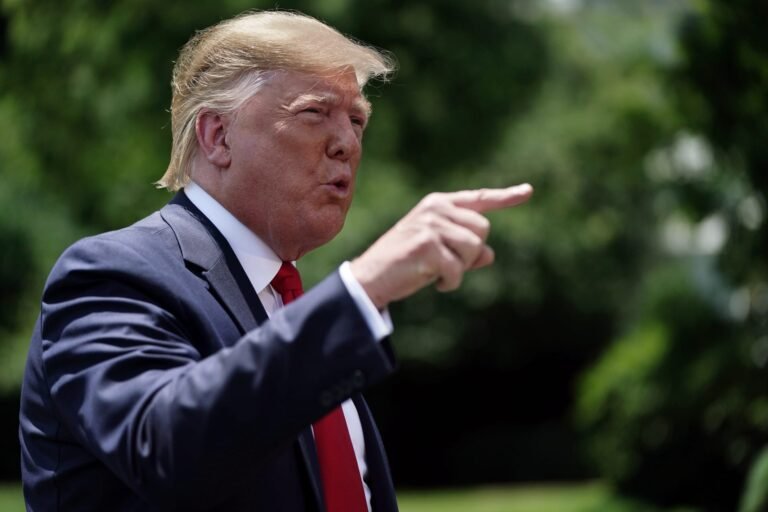



Washington officially rejects extending the ceasefire with Iran and continues negotiations
America and the need for mediation in talks with Iran

Four people, including three students, were killed and 20 others injured in a shooting at a primary school in Kahramanmaraş, southern Türkiye
Türkiye: Victims of the shooting incident in Kahramanmaraş

Haifa Wehbe is working on recording the songs for the third phase of “Mega Haifa”
Recording 6 new songs in preparation for summer
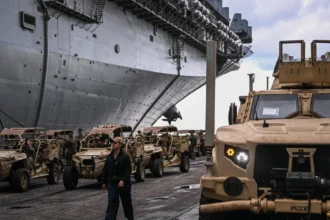
A major US military buildup: Washington sends new reinforcements to the Middle East amid escalating tensions
America and its military deployment plans in the region