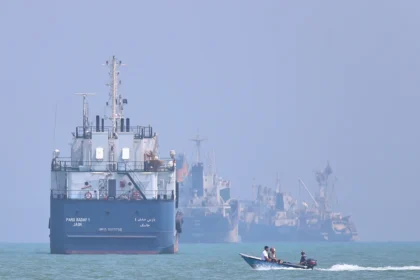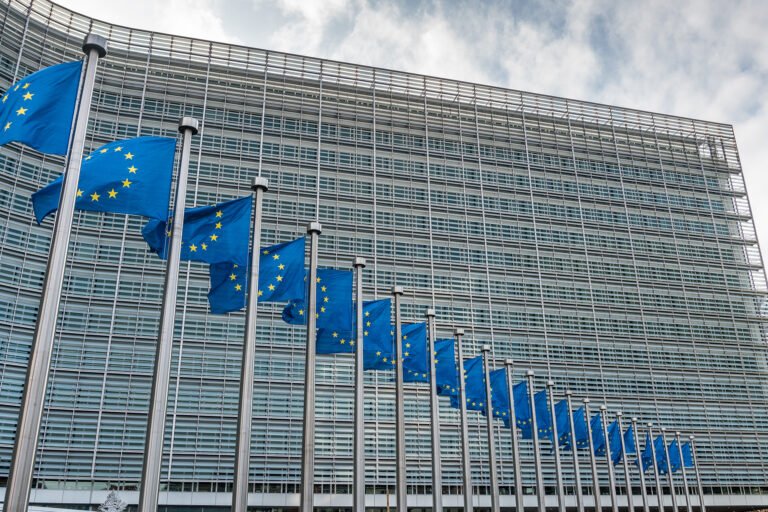
Brussels – Agencies – The President of the European Council expressed the EU’s full readiness to contribute to international efforts aimed at ensuring freedom of navigation in the Strait of Hormuz. These statements come amidst increasing tensions in the region, given the extreme strategic importance of this shipping lane for global trade. Furthermore, the Union believes that diplomatic and security intervention is an urgent necessity to protect energy flows. Accordingly, securing the Strait of Hormuz represents a fundamental pillar of European foreign policy toward the Middle East. In this regard, the Union seeks to strengthen its presence to ensure that international supply chains are not disrupted
Security of Maritime Corridors as a Strategic Priority for Global Economic Stability
The European official emphasized that maintaining the security of maritime corridors is a top strategic priority for member states. Obviously, any threat affecting the freedom of navigation in the Strait will reflect directly and immediately on the stability of global energy markets. As a result, the European Council warned of the repercussions of any escalation that could lead to a sharp rise in shipping and maritime insurance costs. In addition, securing the Strait of Hormuz requires high-level technical and military coordination to face potential security threats. However, the Union stresses that peaceful solutions remain the best path to avoid suffocating economic crises.
International and Regional Cooperation to Prevent Escalation in Vital Waterways
The Council President added that the European Union is open to close cooperation with regional and international partners to support maritime stability. Certainly, collective action primarily aims to prevent any military escalation that might hinder trade movement in this vital facility. Accordingly, Brussels is studying the possibility of participating in maritime monitoring missions to enhance measures for securing the Strait of Hormuz and protecting commercial tankers. On the other hand, these moves contribute to reassuring global shipping companies and ensuring continuity of operations in one of the world’s busiest lanes. In the same context, European diplomacy seeks to open dialogue channels to ease regional congestion.
The Strategic Importance of the Strait of Hormuz in Global Oil and Gas Transport
These European positions come at a time of increasing international calls to ensure the security of navigation in the Strait, which is the main lifeline for oil and gas transport. Obviously, any disturbance in this corridor will threaten the food and production security of many major nations. As a result, international powers are putting emergency plans in place to ensure securing the Strait of Hormuz away from direct political friction. In addition, the European presence enhances the chances of applying international maritime law and ensuring the freedom of safe passage for all. Ultimately, the stability of navigation in the Arabian Gulf will remain the true guarantee for sustainable economic growth and avoiding sudden oil shocks.