Tehran, Iran – Iran announced on Sunday its readiness to reach a nuclear agreement with the United States that would provide economic benefits for both sides. This comes ahead of a second round of negotiations scheduled for Tuesday in Geneva. Tehran emphasized that the agreement must include tangible and immediate economic benefits. These benefits encompass the oil and gas sector, mining, joint investments, and even aircraft purchases.
Iranian flexibility in exchange for easing sanctions
Iranian Deputy Foreign Minister for Economic Affairs Hamid Ghanbari said that Iran is prepared to show flexibility regarding its nuclear program in exchange for the lifting of US sanctions. He also indicated Tehran’s willingness to reduce the level of its highly enriched uranium. The Iranian official emphasized that Iran will not agree to a complete halt to enrichment. This is the main point of contention with Washington. Washington views enrichment as a potential path to developing nuclear weapons. However, Iran denies seeking such weapons.
Diplomatic solutions and negotiated settlements
The new round of talks includes a US delegation comprising Steve Wittkopf and Jared Kushner. The Iranian side is headed by Foreign Minister Abbas Araqchi, with the International Atomic Energy Agency (IAEA) participating as an observer. Oman is also playing a mediating role.
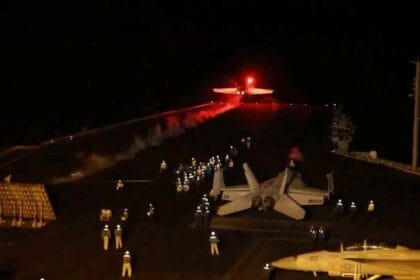
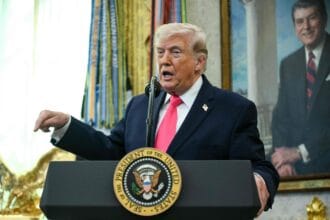
For his part, US Secretary of State Marco Rubio said that President Donald Trump prefers diplomatic solutions and a negotiated settlement. However, he indicated that the possibility of failing to reach an agreement remains. This comes at a time when the United States is bolstering its military presence in the region in anticipation of any escalation.
Tensions escalate in the region
The previous US administration withdrew from the nuclear agreement in 2018 and reimposed economic sanctions on Iran. This led to escalating tensions in the region. These tensions included Israeli airstrikes aimed at weakening Iran’s nuclear program. Current negotiations focus on striking a balance between nuclear security and opening up economic opportunities for both sides. This is amid international pressure to prevent military escalation.