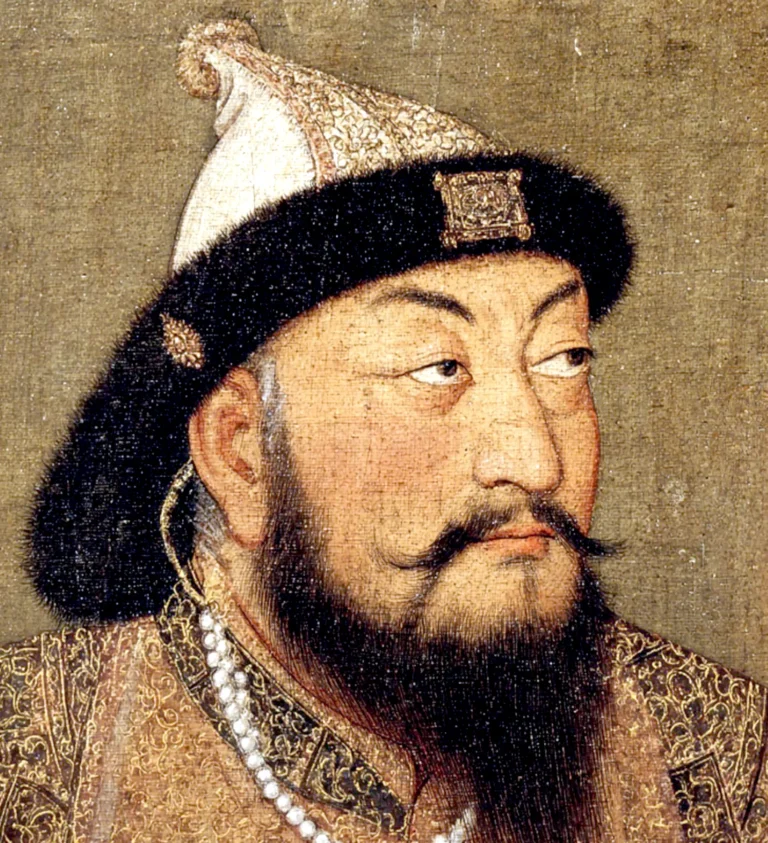
Karakorum, Mongolia – Möngke Khan was one of the most prominent rulers of the Mongol Empire in the 13th century, assuming the title of Great Khan in 1251.
His reign came at a time when the Mongol state was facing internal conflicts and power struggles among members of the ruling family.
Möngke Khan worked to reorganize the affairs of the empire and strengthen its central authority, as well as to control administration and resources.
He also worked to expand Mongol influence in the regions under their control. At that time, the empire spanned vast areas of Asia and Eastern Europe.
Hulagu campaign towards Persia and Iraq
One of his most important decisions was to redistribute military responsibilities among prominent members of the Mongol dynasty.
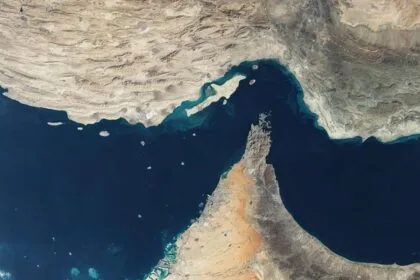
He tasked his brother, Hulagu Khan, with leading a major campaign towards Persia and Iraq,
aiming to subdue the remaining centers that had not yet fully fallen under Mongol control.
Hulagu’s campaign began in the 1350s. The Mongol forces captured several important fortresses and centers before advancing towards Baghdad, the capital of the Abbasid Caliphate.
Möngke Khan and major military and political transformations
In 1258 CE, Baghdad fell to Hulagu’s forces, marking one of the most pivotal moments in the region’s history.
This brought an end to the Abbasid Caliphate in Baghdad after centuries of existence,
while the Mongols reshaped the political and military balance of power in the Middle East.
Although Möngke Khan died in 1259 during his campaign in China, the decisions he made
during his reign contributed to significant military and political transformations.
Among the most prominent of these were Hulagu’s campaign and the fall of Baghdad.