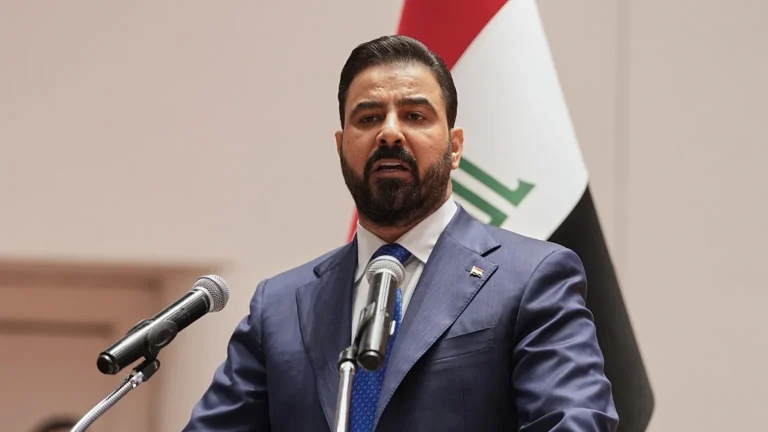
Baghdad – The Iraqi Prime Minister affirmed that uncontrolled weapons represent the most critical challenge facing national security, warning of their direct damage to the rule of law and institutional authority. Consequently, these statements highlight ongoing federal efforts to reorganize security structures and restore state hegemony over defense operations.
Furthermore, the Prime Minister noted that armed presence outside official structures weakens state institutions and compromises public safety. As a result, the government is prioritizing measures to restrict arms handling to military institutions, treating arms control as a fundamental requirement for long-term domestic stability.
Legislative Frameworks and Security Capability Building
On the other hand, executive directives have been issued to formulate comprehensive arms control legislation in accordance with constitutional protocols. Additionally, national security strategies aim to bolster the operational readiness and tactical equipment of official armed forces to ensure no external factions challenge state authority.
Consequently, security analysts view legislative reform as a key step toward standardizing weapon ownership and curbing illicit arms proliferation. Ultimately, these measures seek to preserve the state’s exclusive monopoly on legitimate force and protect democratic governance.
Finally, the Iraqi Prime Minister’s directives reflect a resolute push to address uncontrolled weapons and strengthen state sovereignty. Ultimately, political consensus and enforcement of new legal frameworks will dictate whether state institutions can fully restore the rule of law.