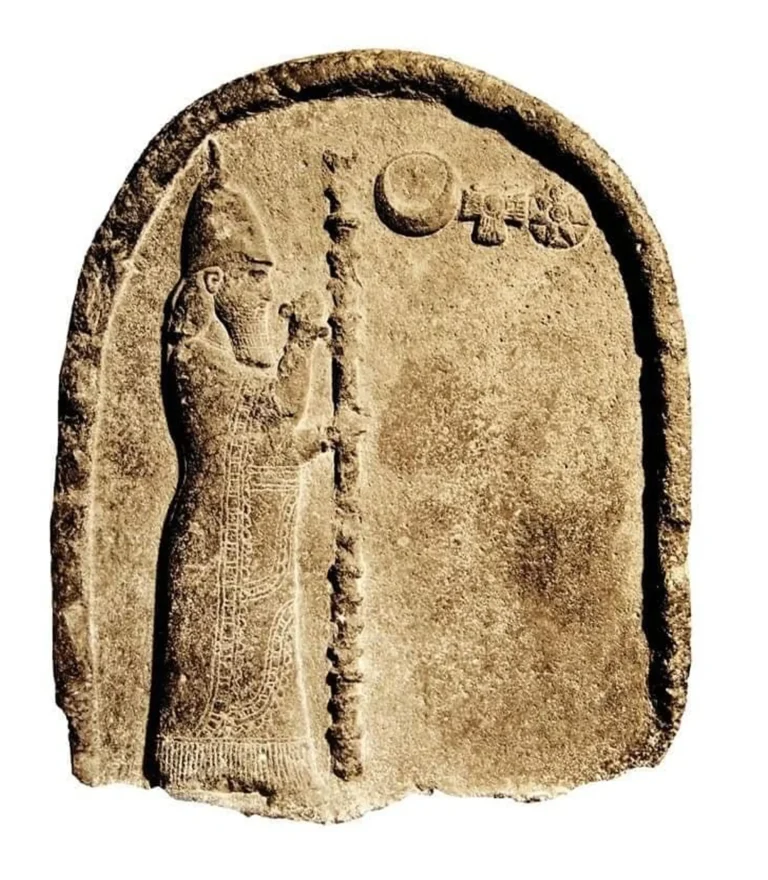
Baghdad, Iraq – Nabonidus, the last king of the Neo-Babylonian Empire, is one of history’s most fascinating figures.
His role extended beyond ruling Babylon before its fall to the Persians in 539 BC; his name is also associated
with the earliest attempts at archaeological excavation and the study of ancient civilizations.
Restoration of temples and historical structures
Nabonidus focused on restoring temples and historical structures,
and ordered excavations to uncover their foundations.
He also worked to document the inscriptions and archaeological finds he discovered,
a step many historians consider similar to the early principles of modern archaeology.
Babylonian texts reveal that the king sought to identify the kings
who had built the temples before him and to determine their construction dates.
He relied on ancient inscriptions to understand his country’s history and preserve its cultural heritage.
Babonides, the first archaeologist in history
Although some of his historical conclusions may not be entirely accurate
by modern standards, his dedication to excavation,
recording discoveries, and preserving ancient buildings earned him a special place in the history of archaeology.
For this reason, some scholars have described him as “the first archaeologist in history.”
Nabonidus r
mains a unique example of a king who combined power with a deep concern for heritage.
He left behind a scientific and cultural legacy that has helped preserve
an important part of Mesopotamian history for future generations.