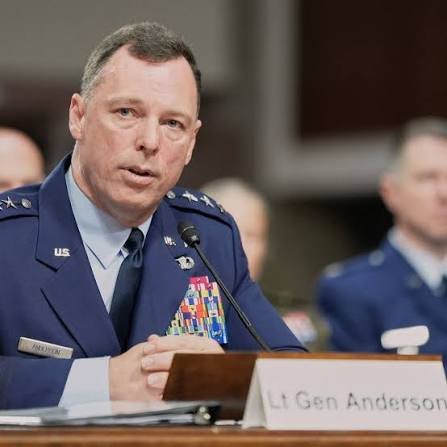
Mogadishu, Somalia – The top commander of the U.S. Africa Command (AFRICOM), General Dagvin R.M. Anderson, arrived in Mogadishu with the aim of reassuring Somalia that Washington had “not abandoned” it, but he left with a stark warning that U.S. support was now conditional, and that American patience was running out as political dysfunction outweighed battlefield gains.
Anderson explained in an interview published by the US Embassy that the areas cleared of Al-Shabaab between 2019 and 2024 fell again after the focus shifted away from counterterrorism, stressing that lasting security requires a commitment to maintaining political consensus and establishing the rules of governance and justice, and emphasizing that “it will be extremely difficult for us to continue to engage” if the current political situation continues.
Logistical support declined and Turkish influence expanded.
The US warning coincided with Washington’s reduction of its support, as it informed the African Union of its opposition to the continuation of UN funding for the AUSSOM mission beyond the end of the year. This comes amidst a 25% budget cut for the mission and discussions about closing the UN Support Office in Mogadishu. Meanwhile, Turkey is deepening its presence in the Somali security structure through the Turksom camp, ten-year agreements, and the deployment of F-16 fighter jets by early 2026. At the same time, the Danab commando unit, established by Washington, faces sustainability and maintenance challenges that fall entirely under Somali responsibility.
Geopolitical complexities and the Somaliland issue
Anderson touched on the strategic importance of Somalia without explicitly mentioning Somaliland, reiterating the usual US position supporting the sovereignty of the Federal Republic of Somalia, despite Israel’s official recognition of Somaliland at the end of 2025. Despite offers made by President Hassan Sheikh Mohamud to grant Washington operational control over vital facilities such as Berbera and Bosaso, these facilities remain subject to regional authorities that require direct coordination. Anderson’s visit concluded with a decisive message that the continuation of the partnership is contingent on serious political reforms in Mogadishu.