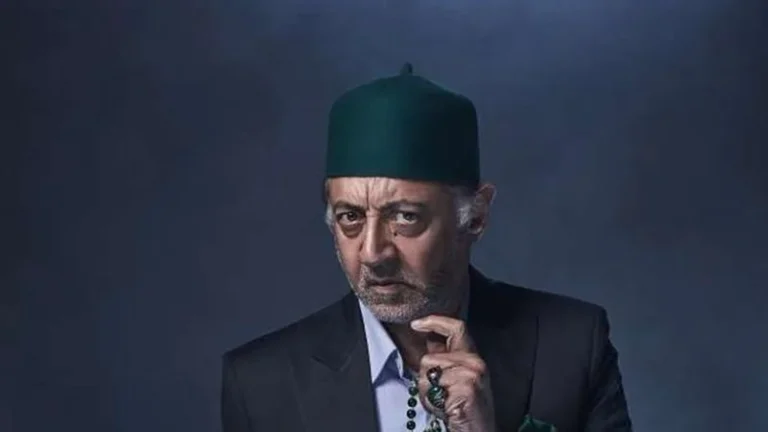
Cairo, Egypt – Grief has enveloped the artistic community following the death of the great artist Abdel Aziz Makhyoun on Wednesday, after suffering a severe health crisis in recent days that necessitated his transfer to a hospital in Alexandria, where he remained in the intensive care unit to receive the necessary medical care and monitor his health condition.
sudden illness
The late artist had suffered from severe pneumonia accompanied by severe shortness of breath before his death, which necessitated his urgent hospitalization and intensive medical examinations. However, his health deteriorated during the last hours, and he passed away, leaving behind a long and fruitful artistic career.
Origins and beginnings
Abdel Aziz Saleh Makhion was born in Abu Hummus, Beheira Governorate, in 1946. He grew up in a rural environment that influenced his personal and artistic development. From a young age, he showed a passion for the arts, enrolling in the Higher Institute of Theatrical Arts and graduating before continuing his studies in music and acting, thus establishing an artistic career that spanned more than fifty years.
Key milestones in cinema
Throughout his cinematic career, Makhion presented many works that became landmarks in the history of Egyptian cinema, including “Al-Gou3” (Hunger), “Lil Hob Qissa Akhira” (Love Has a Final Chapter), “Al-Haroub” (The Escape), “Fares Al-Madina” (Knight of the City), “Dam Al-Ghazal” (The Blood of the Deer), and “Dukkan Shehata” (Shehata’s Shop). He also participated in more recent works, including “Al-Kanz” (The Treasure) and “Al-Barr Al-Tani” (The Other Shore).
An unforgettable mark in drama
On the drama screen, he left an unforgettable mark through his participation in prominent works such as “Al-Shahd wal-Dumou'” (Honey and Tears), “Layali Al-Hilmiya” (The Nights of Hilmiya), “Ana wa Anta wa Baba fi Al-Mishmish” (Me, You, and Dad in the Apricot), “Khalati Safiya wal-Deir” (My Aunt Safiya and the Monastery), “Zizinia,” “Umm Kulthum wal-Jama’a” (Umm Kulthum and the Group), and “Bedoun Zikr Asma'” (Without Mentioning Names), in addition to his distinguished presence in works of recent years such as “Al-Maddah” (The Praiser), “Teatro,” “Gooder,” “Al-Ikhtiyar” (The Choice), and “Souq Al-Kanto” (The Canto Market).