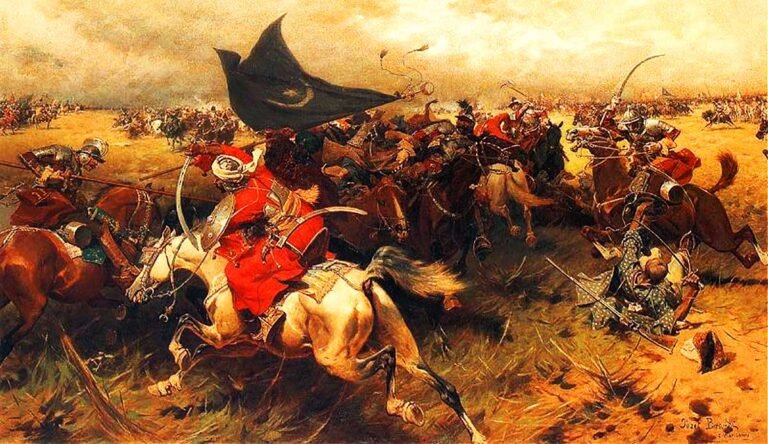
Konya – Turkey — The War of Konya, which erupted during the 16th century, stands out as one of the most brutal and bloody chapters in the history of the Ottoman Empire. Far from being a conventional military campaign against a foreign superpower or a standard border mutiny along the imperial frontiers, it was an intense domestic crisis and a fratricidal war. Specifically, it was waged between the sons of Sultan Suleiman the Magnificent over the right of succession and the inheritance of the throne.
Roots of Discontent and Military Mobilization
The final years of Sultan Suleiman’s long reign witnessed a sharp escalation in rivalry among his progeny, particularly between Prince Selim and Prince Bayezid. Both emerged as the two primary contenders to succeed their father. As political maneuvers and competing factions grew within the Ottoman court, and with political and military units throwing their weight behind one prince or the other, this race for the crown quickly morphed into a national threat. In turn, this jeopardized the empire’s internal security.
The spark of the active conflict ignited when structural disputes worsened between the two princes over their regional influence and status. This occurred at a time when the aging Sultan was painstakingly trying to maintain a delicate balance of power among his sons. However, tensions rapidly breached the confines of court diplomacy and assumed a full-scale military nature. Each prince aggressively gathered loyalists, mobilized resources, and enlisted armies in preparation for an inevitable battlefield showdown.
The Decisive Clash at Konya and Political Asylum
In the year 1559 AD, the ultimate military confrontation took place near the city of Konya in Central Anatolia. There, the insurgent forces of Prince Bayezid clashed directly with the legions of his brother, Prince Selim. Prince Selim, meanwhile, was reinforced and legitimized by the imperial troops of Sultan Suleiman the Magnificent himself. The fierce battle culminated in a crushing defeat for Bayezid’s army after bitter and bloody fighting. Consequently, this completely shattered his strategic prospects of ever ascending the Ottoman throne.
Following his tactical downfall, Prince Bayezid fled the empire alongside several of his sons, seeking refuge in the neighboring Safavid territories in Iran. He was hoping to secure political asylum, sovereign protection, and military backing from the Shah. Nevertheless, relentless diplomatic and military pressure exerted by Istanbul eventually forced the Safavid Shah to surrender the fugitive prince. Ultimately, this led to handing him over to the custody of Ottoman executioners.
Tragic End and the Legacy of the Throne
The crisis concluded with the execution of Prince Bayezid and his young sons—Suleiman’s own grandchildren—reflecting the sheer ruthlessness of power dynamics within the Ottoman dynasty during that era. Eradicating rival claimants was seen as a harsh but necessary political remedy. This was meant to ensure governing stability and prevent the outbreak of broader, destabilizing civil wars across the realm.
Historians argue that the events of Konya exposed the deep political complexities buried within the Ottoman Palace. It demonstrated how succession rivalries could easily devolve into bloody military warfare, even within the world’s most powerful empires. Furthermore, this historic outcome cleared the path for Prince Selim to later ascend the throne smoothly as Sultan Selim II. This happened following the death of his father, Suleiman the Magnificent, in 1566 AD. To this day, the War of Konya remains a stark historical testament to the eternal, tragic friction between political ambition and the bonds of blood.