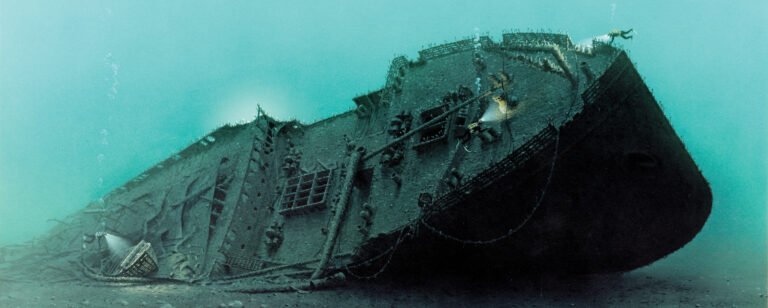
Ottawa, Canada – The tragic sinking of the British liner RMS Empress of Ireland stands as one of the most heartbreaking maritime disasters in Canadian history. It occurred under swift and harrowing circumstances. Its psychological impact mirrored that of the Titanic. However, it remains less globally renowned. On May 29, 1914, the ocean liner was navigating the St. Lawrence River with more than 1,400 passengers and crew members aboard. It was bound for Europe. The routine voyage abruptly transformed into a sudden catastrophe when a dense fog rolled over the region. As a result, the vessels in the channel were blinded.
A Violent Collision and Rapid Inundation
Storstad. The violent impact ripped a massive breach in the liner’s hull, allowing river water to cascade into the vessel at an uncontrollable rate. In a mere 14 minutes, the ship listed sharply and sank into the frigid waters. This rapid progression rendered rescue operations nearly impossible. Furthermore, the situation was compounded by the sheer panic on board and the fact that most passengers were asleep in their cabins at the exact moment of impact.
A Heavy Toll and Overhaul of Maritime Safety
The disaster resulted in the deaths of more than a thousand people. It cemented the event as one of the worst shipwrecycles of the 20th century in terms of casualties and sent shockwaves through Canada and Great Britain. Experts and maritime historians attribute the catastrophe to the severe lack of visibility caused by the thick fog. They also cite critical errors in navigational judgment between the two vessels. The tragic outcome later catalyzed a sweeping international review of maritime safety protocols and navigation standards in adverse weather conditions.
Natural Elements as a Constant Threat
To this day, this disaster is studied in maritime academies as a stark reminder of the peril natural elements present to seafaring. It stands as a chilling historical case study. Dense fog alone can turn an ordinary, state-of-the-art voyage into a historic humanitarian tragedy within mere moments.