
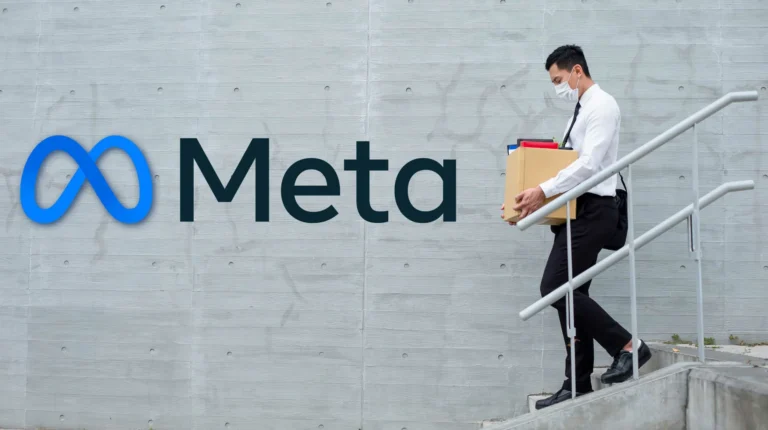
Meta is facing a lawsuit accusing it of using artificial intelligence technologies to assist in making decisions related to employee layoffs. This case raises important new questions about the role of smart systems in human resources management and the extent to which technology influences employment decisions that affect the future of workers.
According to the lawsuit, the company relied on sophisticated tools and algorithms to evaluate employees or contribute to identifying those included in workforce reduction plans. The plaintiffs argued that this procedure lacks transparency and raises serious concerns regarding fairness and the potential for discrimination in decisions made by the systems.
Transparency Challenges and Algorithmic Fairness
The lawsuit demands that decision-making mechanisms be subjected to rigorous legal review. The plaintiffs are seeking disclosure on the nature of the technical systems used and their actual impact on mass layoffs, to ensure there is no algorithmic bias that could harm employee rights or reduce their chances of receiving clear explanations.
These demands come amid increasing pressure to impose stricter controls on the use of AI in files related to hiring and termination of service. Observers indicate that this case may set new standards for how major tech companies use data and algorithms in their sensitive internal decisions.
Judicial Oversight and the Future of Employment
No final comment has been issued by the company regarding the case so far. Judicial authorities are expected to examine the allegations and evidence presented during the coming stages of litigation, to assess the legality of relying on smart tools for such decisions that have significant social and economic consequences for the workforce.
This case comes at a time when there is increasing scrutiny of the use of AI technologies by major companies in managing employee affairs. Experts are closely monitoring these developments, as the expected judicial rulings may set a legal precedent that changes how algorithms are handled in future work environments.