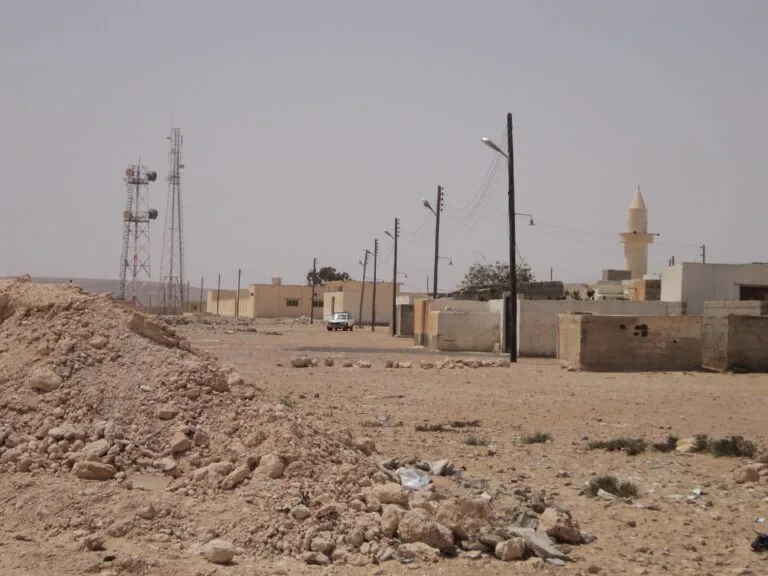
Tobruk, Libya – The “Ain el-Gazala” region in northeastern Libya is one of the locations associated with a pivotal phase in World War II history. During that phase, vast areas of the Libyan desert were transformed into an open theater for battles between Allied and Axis forces during the North African campaigns. The region derives its historical significance from its location near the front line that witnessed extensive military movements in 1942. This happened amidst the intense struggle to control the strategic corridors stretching between Egypt and Libya. Moreover, these corridors were a decisive axis in the balance of power at the time.
A Theater of Major Confrontations
During that period, the region and its surroundings witnessed a series of major military confrontations associated with the Western Desert Campaign. Here, warring forces exchanged control over forward positions amidst harsh climatic conditions and significant logistical difficulties that affected the course of combat operations. The open geographical nature of the region turned into a decisive factor in the battles. The desert terrain played a role in rapid movement tactics and surprise attacks. As a result, the conflict in that part of North Africa was characterized by speed and constant changes in contact lines.
Historical Memory
Historians believe that the battles of the Libyan desert, including those associated with the Ain el-Gazala region, formed one of the most complex phases of World War II. This was due to the overlapping military and logistical factors. Additionally, the extension of supply lines across vast distances contributed to the complexity. Over time, these sites have transformed from battlefields into historical memory hubs taught in the context of World War II. They are now part of a global conflict that changed the balance of power in the mid-twentieth century.