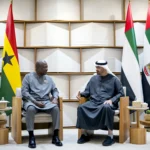
New York, USA – Ambassador Mohammed Abu Shehab, the UAE Permanent Representative to the United Nations, affirmed that developments in the Strait of Hormuz directly impact global food security and energy supplies,
emphasizing that the repercussions of these threats are not limited to any one country but extend to regional and international stability.
He explained that the security of maritime routes is a fundamental pillar of the global economy,
necessitating coordinated international action to ensure the safety of navigation.
Effects that extend beyond the region
The delegate noted that threats related to the strait affect global supply chains,
particularly the transport of oil and essential goods, which in turn impacts food security in many countries.
He added that the continuation of these threats would increase pressure on global markets and exacerbate economic challenges.
clear international position
He emphasized that the international community’s will on this issue is clear,
noting a consensus on the need to preserve freedom of navigation and respect international law.
Conversely, he pointed out that Iran’s non-compliance with
these principles exacerbates tensions and undermines efforts to achieve stability.
A call to strengthen stability
The delegate affirmed that the UAE continues to work with its partners to support regional security,
emphasizing the importance of adopting diplomatic solutions that ensure de-escalation.
He also called for intensified international efforts to protect vital maritime routes,
contributing to enhanced security and stability at both the regional and global levels.