Washington, DC – The US Department of Defense (Pentagon) announced new measures barring several major Chinese companies from securing US military contracts and procurement opportunities. This move reflects escalating economic and technological tensions between Washington and Beijing, amid growing concerns about national security and the protection of strategic supply chains.
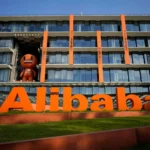
US reports indicate that the decision targets Chinese companies operating in the advanced technology, communications, and manufacturing sectors. These companies were added to lists deemed by the US government to be directly or indirectly linked to China’s military-industrial complex.
This designation means barring these companies from contracting with the US Department of Defense or participating in projects and tenders related to the military and security institutions.
The measure comes as part of a broader US strategy aimed at reducing reliance on Chinese technologies and products in sensitive sectors. This coincides particularly with the increasing competition between the world’s two largest economies for technological and military influence. Washington also seeks to protect data and critical infrastructure from any potential risks that might arise from the use of foreign technologies within government and military institutions.
Observers believe the decision represents a new link in the chain of reciprocal restrictions between the United States and China, which in recent years have included trade sanctions and restrictions on the export of advanced semiconductors. Additionally, measures targeting technology and artificial intelligence companies have been implemented.
The decision is expected to impact the future of trade cooperation between the two sides in certain sensitive sectors. The US administration maintains that the new measures are intended to protect US security and strategic interests. China, however, typically rejects such accusations, viewing them as part of a containment policy aimed at curbing its economic and technological growth.
It is estimated that the new restrictions may prompt US companies dealing with the federal government to review their supply chains. They may also seek domestic alternatives or sources from allied countries, aligning with the US drive to enhance self-sufficiency in strategic industries and advanced technologies.