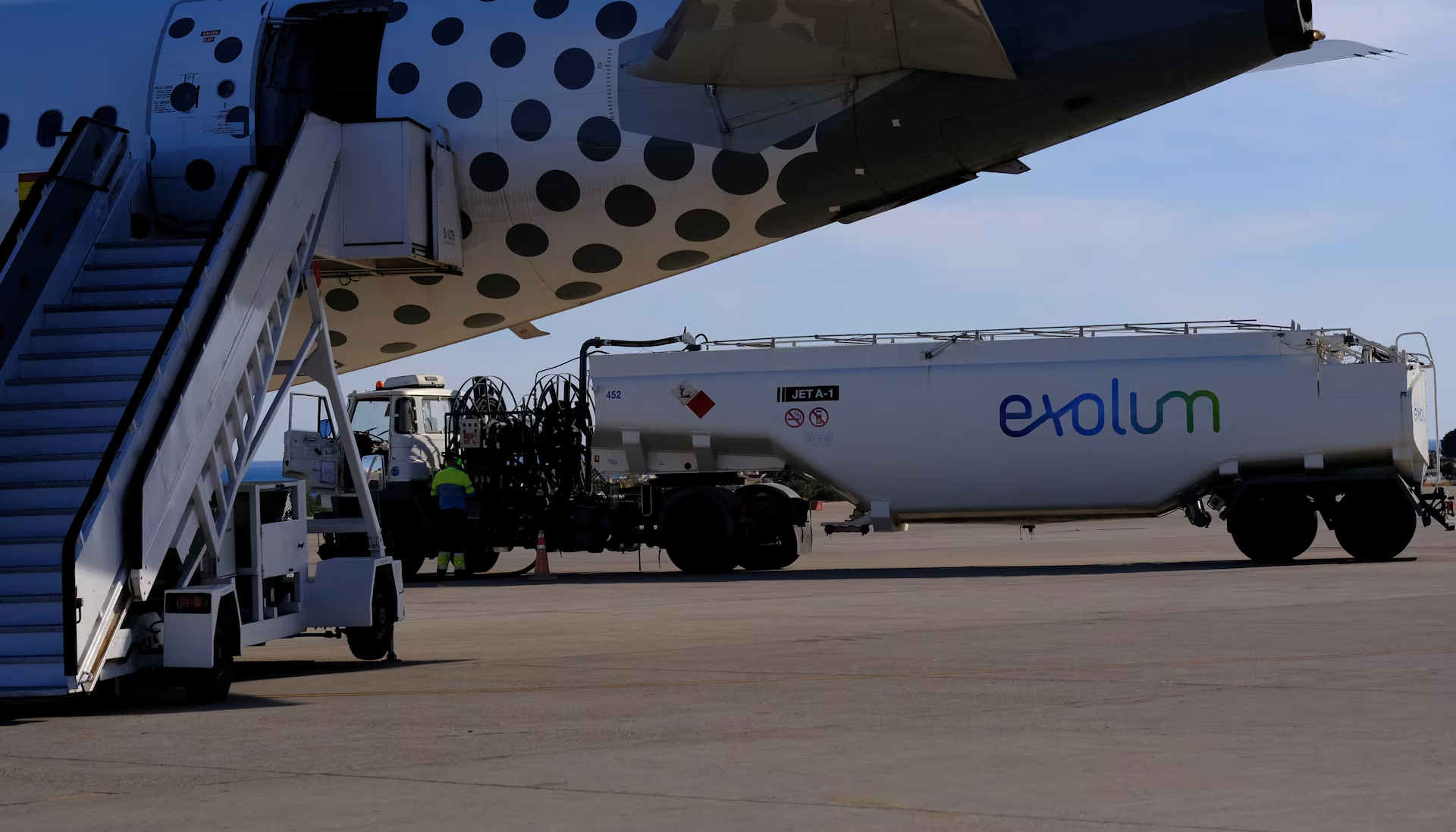
Europe – The European continent is facing unprecedented energy challenges that pose a real threat to the aviation sector. Reuters reported on Monday morning, July 13, 2026, that jet fuel reserves in Europe have fallen to critical levels. Currently, these reserves cover less than 30 days of domestic demand. This crisis comes at a time of escalating geopolitical tensions in the Middle East, further highlighting the fragility of European supply chains.
Expected daily deficit in the third quarter
According to calculations by the energy consultancy Energy Aspects, Europe is expected to experience a daily shortfall of up to 600,000 barrels of jet fuel during the third quarter of this year.
While Europe faces this critical shortage, forecasts indicate that other regions, such as the United States and the Asia-Pacific region, will enjoy a surplus in supply. This puts the continent at a competitive disadvantage and makes it more vulnerable to price volatility and supply disruptions.
European countries in danger zone
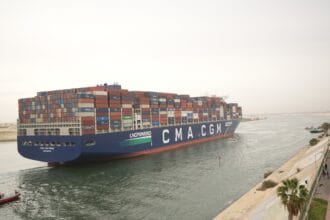
The agency stated that Europe has managed to avoid fuel shortages in recent times through a diversified strategy. This strategy relied on increasing imports from the United States and Asia, ramping up production at domestic refineries, and drawing on strategic reserves. However, countries like Britain, France, and Germany remain the most vulnerable due to their heavy reliance on oil shipments from the Middle East. Furthermore, these shipments require tankers to transit the Strait of Hormuz, which is currently experiencing significant security instability.
Brussels’ moves to ensure continued supplies
Given these worrying developments, the European Commission issued official warnings that jet fuel stocks could become even more scarce as the peak summer travel season approaches. To prevent any disruptions that could paralyze air traffic, Brussels confirmed it is considering contingency plans. These plans aim to coordinate the release of national reserves by member states if necessary, thereby ensuring that vital air travel continues uninterrupted.
This crisis is imposing a new reality on European countries. They now realize that their energy security is closely linked to the stability of international waterways, especially in light of the recent military escalation that could reshape global energy supply routes. This may force Europe to reassess its strategies for diversifying fuel sources and securing sufficient reserves to confront any potential geopolitical emergencies.