Washington, DC – Gold prices fell sharply in global markets on Monday, July 13, 2026, influenced by rapidly escalating geopolitical developments in the Gulf region. This decline came amid investor anxiety stemming from growing fears of a potential closure of the vital Strait of Hormuz. This, in turn, led to a sharp rise in oil prices. It also reinforced expectations that central banks would raise interest rates to counter inflationary pressures resulting from the energy crisis.
Precious metal performance in the markets
According to the latest Bloomberg data, the spot price of gold fell 1.52% to $4,057 per ounce. This represents a loss of approximately $62 since yesterday’s closing price of around $4,119 per ounce. Meanwhile, on the futures front, gold futures for August delivery (COMEX) were down 1.13% at 9:45 AM Moscow time, settling at $4,067.40 per ounce. Spot gold futures also declined, falling 1.42% to $4,061.36 per ounce.
Military tensions and the Strait of Hormuz
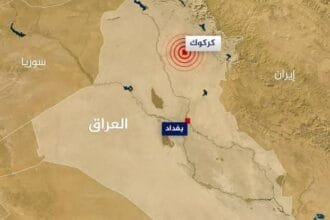
This decline follows an official announcement from the Iranian side that navigation through the Strait of Hormuz is currently impossible. This comes amid escalating military tensions in the region. Earlier in the week, the Gulf region witnessed intense exchanges of missile and drone attacks between US and Iranian forces, during which Tehran targeted US facilities in several Gulf states. The decision to close the strait, a vital global energy artery, was also confirmed.
It is worth noting that gold reached a record high of $5,600 per ounce at the end of January, before entering a period of price volatility in recent months, influenced by the uncertainty created by geopolitical crises. Analysts believe that investors’ shift towards more liquid assets or their reliance on high interest rates to combat inflation could put gold under further pressure in the near term. This is especially true if the military escalation in international shipping lanes continues.