Cairo, Egypt – The Egyptian economy registered a positive indicator during June 2026. Data from the Central Agency for Public Mobilization and Statistics (CAPMAS) showed a significant slowdown in the annual inflation rate for the entire country, reaching 12.2%. This compares to 13% in May 2026. The data also revealed a decrease in the monthly inflation rate by 0.9% compared to the previous month. Consequently, the general consumer price index reached 289.5 points.
Significant decreases in food prices
The Central Agency for Public Mobilization and Statistics attributed this decline primarily to lower prices for vital strategic commodities. For example, vegetable prices fell by 12.1%. Meat and poultry prices also decreased by 6.4%. Dairy products, cheese, and eggs saw a 2.4% drop. Additionally, slight decreases in other sectors, such as personal belongings (6.4%), telephone and fax equipment (0.4%), and vehicle purchases (0.2%), contributed to the overall decline in the inflation rate.
Varying increases in the services and goods sectors
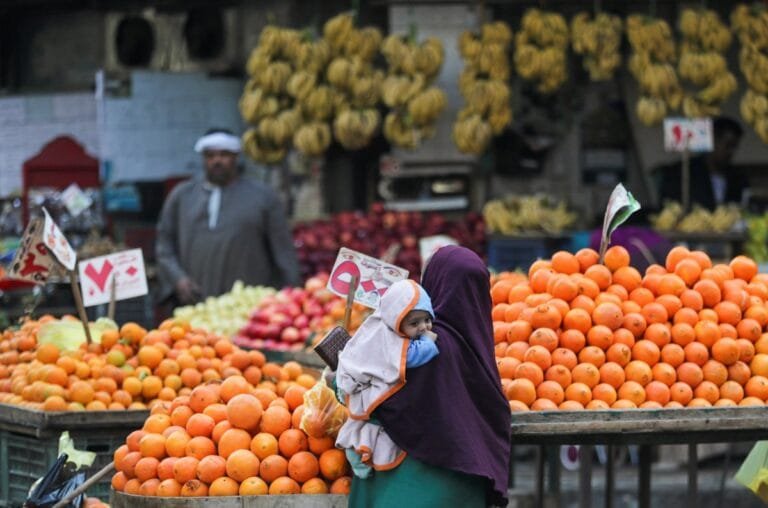
In contrast, other sectors experienced varying price pressures during June. Fruit prices rose by 3.5%. Furthermore, cereal and bread prices increased by 0.6%. Oils and fats prices also rose by 0.5%. Additionally, sugary drinks and mineral water saw slight price increases.
Regarding non-food goods and services, some sectors continued to see price increases. Real estate rent rose by 2.6%, while home maintenance and repair costs increased by 1%. Healthcare services also experienced significant growth, with outpatient services rising by 1.3% and hospital services by 1.1%. In contrast, the tourism and leisure sector saw a substantial jump in prices for organized tours, increasing by 22.1%. Prices for ready-made meals also rose by 0.8%, and personal care products increased by 1.1%.
Regarding household goods, glassware and appliances saw price increases ranging from 0.2% to 0.6%. This coincided with a slight increase in electricity, gas, and fuel prices of 0.1%. Spending on private transportation and transport services also recorded very slight increases, not exceeding 0.2%.
This decline in annual inflation reflects the market’s response to supply and demand fluctuations. Significant drops in basic food prices have successfully controlled the overall price trend. Meanwhile, inflationary pressures persist in the services and luxury sectors. These indicators remain under close monitoring by analysts to assess their impact on monetary policy and their effect on citizens’ purchasing power in the coming period.