Tokyo, Japan – Japanese shipping companies welcomed the announcement of a peace agreement between the United States and Iran on Monday, which paves the way for the reopening of the Strait of Hormuz. However, they stressed the need for caution before resuming transit through the vital waterway. They also called for further security details and guarantees of mine removal.
Ships stranded and navigation cautioned
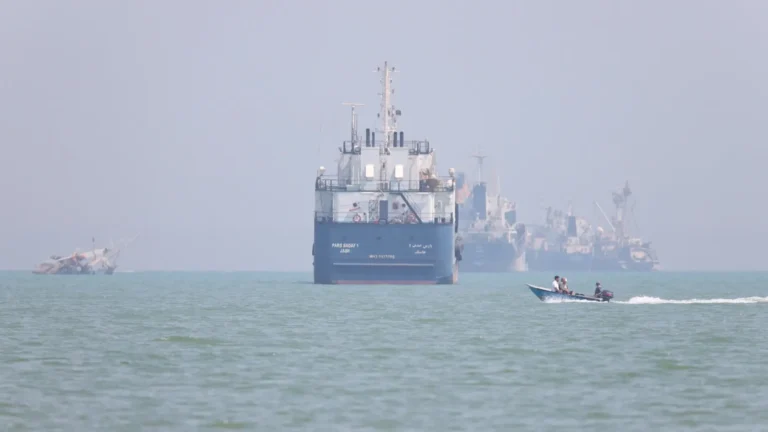
According to the Japan Shipowners Association, 38 Japanese-linked vessels remain stranded in the area, as the war that erupted on February 28 between the United States and Iran brought shipping through the Strait of Hormuz to a near standstill. This strategic waterway is a vital global energy artery, carrying approximately one-fifth of the world’s oil and liquefied natural gas supplies, as well as essential commodities such as aluminum and urea. Positive news of the agreement was immediately reflected in energy markets. Global oil prices fell by 4% on Monday following statements by US President Donald Trump and Iranian officials regarding a preliminary agreement to end the war and resume maritime traffic.
Waiting for the “Swiss signature”
In a related development, a spokesperson for the Japan Shipowners Association explained that while the group welcomed the diplomatic breakthrough, it was still adopting a “wait-and-see” approach. He indicated that companies were awaiting detailed information expected to be released next Friday in Switzerland, where the agreement will be officially signed.
The spokesperson emphasized that security concerns remain, particularly given the frequent reports of sea mines being laid in the area during the conflict.
He stated, “Given these circumstances, we cannot simply decide to proceed and cross based solely on news of an agreement; we need concrete guarantees of the passage’s safety.”
These Japanese reservations highlight the logistical challenges that follow political agreements. While Trump’s announcement offers a glimmer of hope for lower global energy prices, maritime safety remains a top priority for international shipping companies. These companies are also keen to see the strategic waterway cleared of any military threats to ensure the smooth flow of global supply chains, which have been severely disrupted by months of conflict.