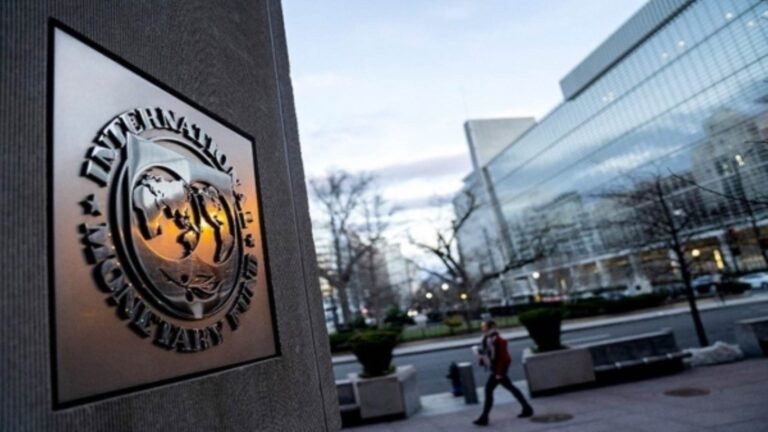
Washington, DC – The International Monetary Fund (IMF) has warned of serious repercussions for the global economy should the Iran-related conflict continue for years to come. It emphasized that prolonging the conflict until 2027 could lead to “far worse outcomes” than those currently being experienced in the markets.
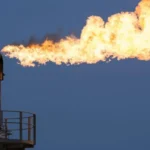
The IMF explained that continued geopolitical tensions in a region vital to global energy supplies would cause severe disruptions in oil and gas markets. This, in turn, would directly impact inflation rates and commodity prices, particularly in energy-importing countries.
He noted that a prolonged conflict could slow global economic growth, increasing pressure on supply chains and reducing investment. Furthermore, there is a possibility of widening fiscal deficits in several emerging economies.
He added that a continued war would complicate central banks’ efforts to control inflation, given rising energy and transportation costs. This could push some countries to adopt tighter monetary policies, potentially triggering a global recession.
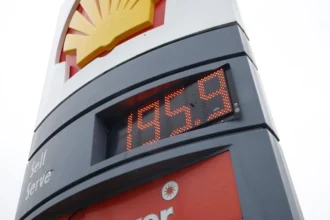
In a related context, the IMF noted that global markets have become more sensitive to geopolitical shocks. It emphasized that any further escalation in the region could lead to sharp fluctuations in oil prices, potentially exceeding record levels if supplies are disrupted.
The report stressed that political and diplomatic solutions remain the safest option to avoid such scenarios. It affirmed that the continuation of conflicts not only threatens the stability of the region but also has repercussions for the entire global economy.