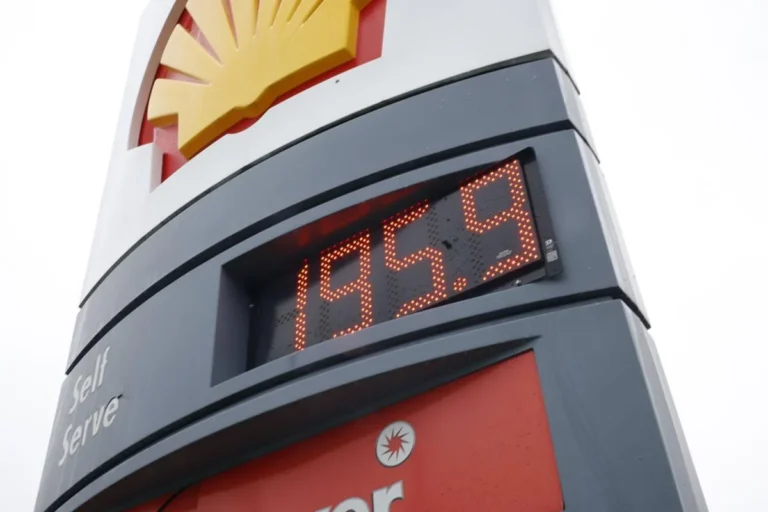
Ottawa, Canada – Canada has recorded a notable rise in inflation rates recently, driven by an increase in gasoline prices that has directly impacted transportation, goods, and services costs. According to preliminary economic estimates, this surge has pushed the general inflation index to its highest level since 2023.
Economic experts indicate that rising fuel prices represent one of the most significant factors influencing inflation within the Canadian economy. This is due to the reliance of broad sectors on road transport, which in turn affects supply chains and increases the costs of shipping and transporting consumer goods to markets.
Inflationary Pressures and Monetary Policy Paths
Analysts expect inflationary pressures to persist in the near term if energy prices do not see significant stabilization. In this context, Canadian monetary authorities are closely monitoring market developments to make decisions that may include adjusting monetary policies or interest rates, in an attempt to limit the impact of the current wave of price hikes and maintain price stability.
Energy Volatility and Impact on Growth
This rise comes amid the ongoing fluctuations witnessed in the global energy market. There are growing concerns regarding continued pressure on fuel prices in the coming period, which could pose an additional challenge to economic growth indicators, not only in Canada but also in several countries that rely on energy imports and are affected by global prices.