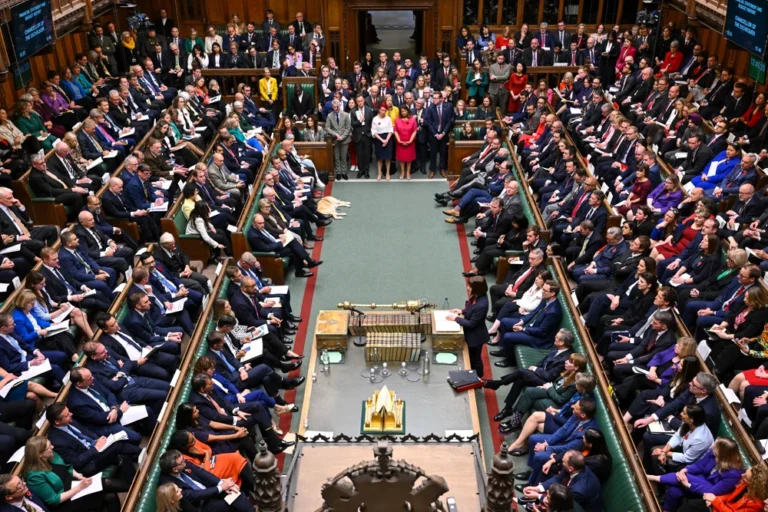
London, Britain – Political and administrative warnings are mounting in Britain, suggesting that continued delays in resolving legislative and regulatory files could directly impact the efficiency of the Parliament. These warnings come amidst growing concerns regarding the future of the Palace of Westminster, the heart of British political life.
According to widespread estimates in political circles, the accumulation of debates over government priorities and the stagnation in passing vital legislation place the legislative institution under unprecedented pressure. This situation may lead to a slowdown in decision-making and disrupt reform paths linked to the state’s administrative structure.
Procedural Challenges and Political Disagreements
Observers point out that the British Parliament faces increasing challenges related to updating internal procedures and managing legislative sessions. These difficulties arise at a time when disagreements between the government and the opposition over sensitive economic and social files are escalating, lengthening debates and delaying the resolution of many laws.
The issue of maintaining and developing the Palace of Westminster itself adds another layer of controversy. Warnings are growing that any delay in implementing restoration and modernization plans could affect the readiness of the historic building, which houses the House of Commons and the House of Lords and has been a symbol of British democracy for centuries.
Questions About the Political System’s Ability to Adapt
Some reports raise questions about the ability of the current political system to keep pace with accelerating challenges. There is an urgent need for procedural reforms that ensure rapid response to internal and external changes, without undermining the long-standing parliamentary traditions that distinguish political life in the United Kingdom.
Conversely, parliamentary sources confirm that work is continuing normally inside the Palace of Westminster. There are long-term plans to develop infrastructure and enhance the efficiency of legislative performance, emphasizing that the British institution possesses the experience needed to overcome these challenges and maintain its institutional stability.