Paris, France – The head of the International Energy Agency (IEA) warned of the repercussions of the escalating tensions with Iran on the future of energy markets, emphasizing that military tensions in the region are undermining confidence in the stability of fossil fuel supplies. These tensions are also prompting global markets to reassess their reliance on fossil fuels as a primary energy source.
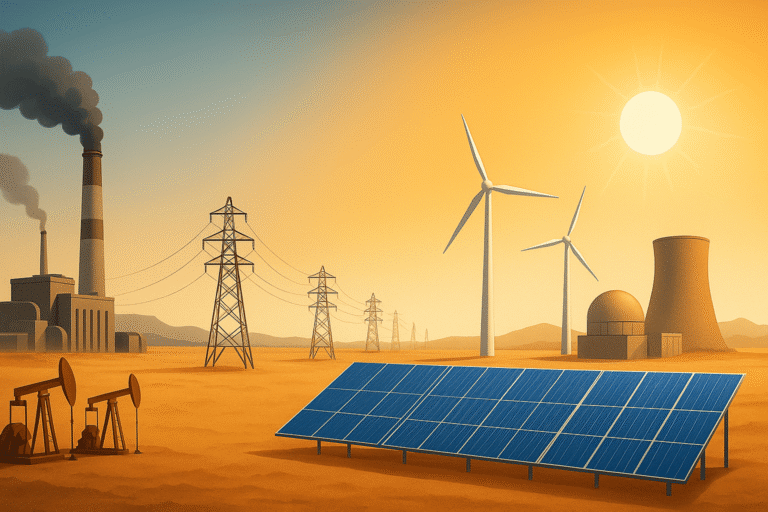
He explained that the uncertainty created by geopolitical crises, particularly in key production areas, is driving countries and companies to accelerate the shift towards more stable alternatives, such as renewable energy. This comes amid growing concerns about supply disruptions and sudden price spikes.
He noted that continued tensions could lead to a gradual decline in demand for oil and gas, not only due to the abundance of alternatives but also as a result of a loss of confidence in the ability of traditional markets to provide stable and secure long-term supplies.
In the same vein, he pointed out that markets are already witnessing shifts in investment patterns. Capital is increasingly flowing towards clean energy projects, driven by economic and environmental factors alongside political risks.
Experts believe these developments could redraw the global energy map, especially if crises persist in producing regions. Consequently, this could accelerate the pace of the energy transition and diminish the decades-long dominance of fossil fuels.
Amid escalating tensions and shifting economic calculations, the energy market appears to be at a pivotal juncture. The question is no longer just about prices, but about the future of energy sources themselves. The question also arises as to their resilience in a rapidly changing world.