Oslo, Norway – Recent economic reports have revealed significant shifts in the ranking of the world’s richest countries by 2026.
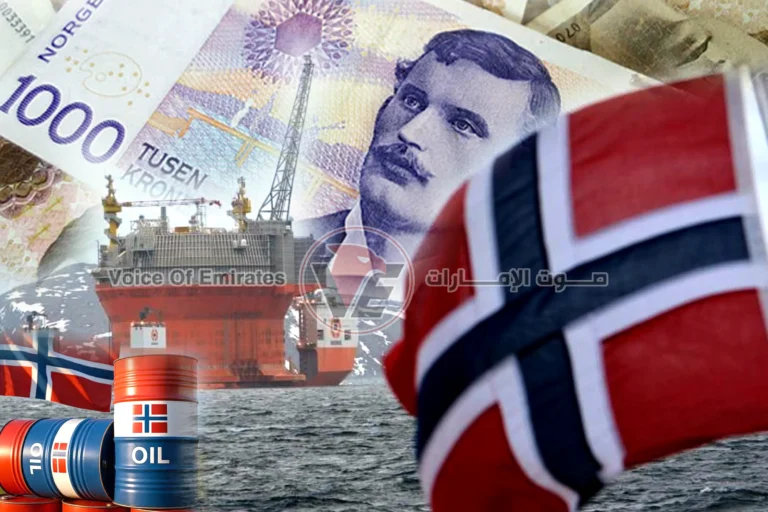
Norway has topped the list, surpassing several traditional economic powers.
This reflects a clear change in the global balance of wealth.
Smart management of natural resources
Data showed that the Norwegian economy benefited significantly
from the wise management of natural resources, particularly oil and gas revenues.
Furthermore, sovereign wealth fund investments boosted per capita income,
propelling the country to the forefront of global wealth.
In contrast, the United States experienced a relative decline in its ranking,
despite maintaining its massive economic power.
Reports attributed this to several factors, including high inflation rates.
The increasing public debt, coupled with challenges related to global supply chains, also contributed to this decline.
Flexible economic models
Relatively small European and Asian countries have also emerged as leading nations,
benefiting from flexible economic models based on innovation, technology, and financial services.
This has given them a clear advantage in average income and living standards.
Experts have noted that the “GDP per capita” metric has become more influential
in determining the ranking of wealthy countries than the size of their overall economies.
This explains the rise of countries with small populations and significant financial resources.
These shifts reflect a new economic reality. Traditional power alone is no longer sufficient to maintain global dominance.
Instead, efficient resource management and investment in human capital
and technology have become the decisive factors in determining the world’s wealthiest nations.