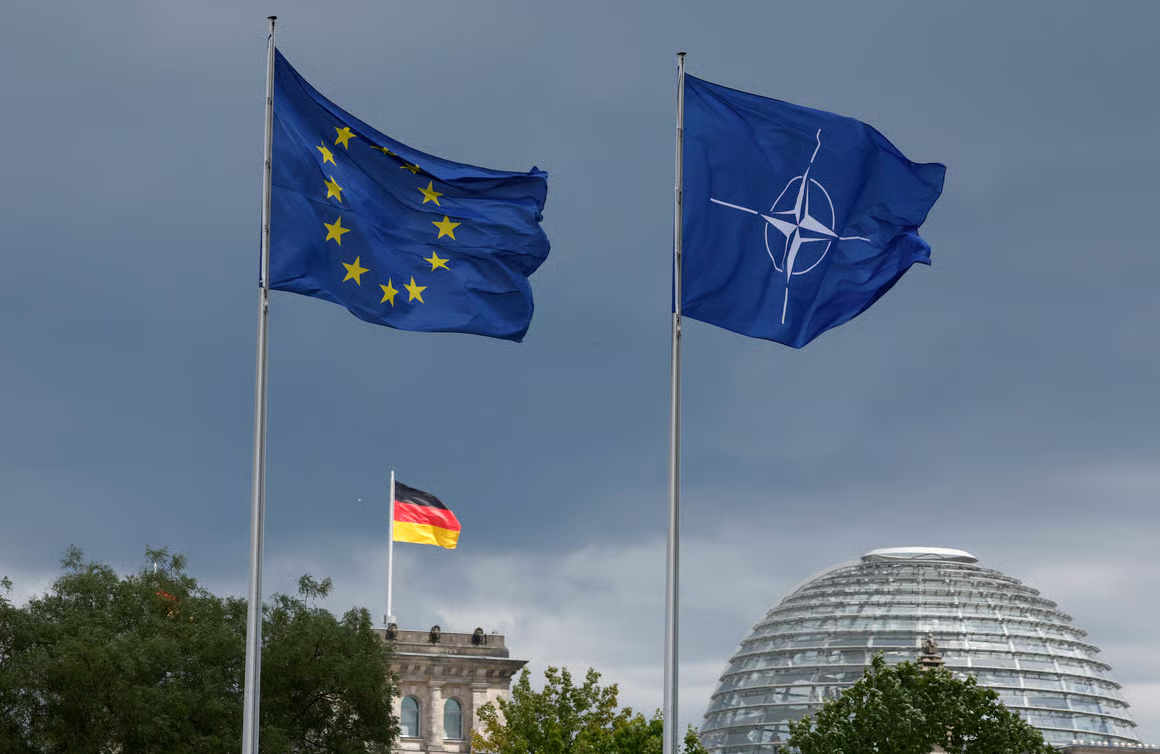
Brussels/Nicosia – The European Commission has announced the preparation of a comprehensive “guidance plan” to operationalize Article 42.7 of the EU Treaty, which mandates mutual assistance if a member state falls victim to armed aggression. During an informal summit in Cyprus, President Nikos Christodoulides explained that the goal is to establish clear operational procedures for military and civilian response. Accordingly, the EU joint defense development 2026 marks a shift in the continent’s strategy, as nations seek to bolster self-reliance amid escalating regional tensions in the Middle East.
Article 42.7: Is the EU Becoming an Alternative Military Alliance?
Article 42.7 provides a legal obligation to provide diplomatic and military support to any member under attack—a clause activated only once in 2015. Obviously, Cyprus’s push for this file stems from its non-NATO status, leading it to seek exclusive European security guarantees. As a result, the new blueprint aims to define “who provides what” and how to intervene rapidly, ensuring that treaty provisions remain more than just ink on paper during a crisis.
Diverging Positions: Between Defense Autonomy and NATO Reliance
Despite Cypriot and Belgian enthusiasm for clarifying implementation mechanisms, European divisions persist, with the Netherlands emphasizing that NATO remains the cornerstone of its military security. Certainly, drafting this practical manual will face challenges in balancing national sovereignty with collective obligations. Accordingly, the EU joint defense development 2026 remains Brussels’ most vital project to secure its borders and prevent any aggression against member states in a chaotic global landscape.