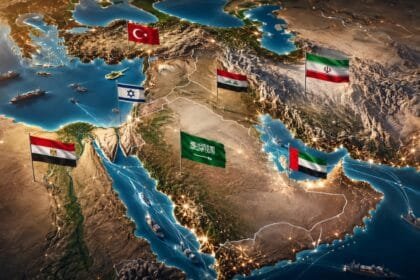
Rome, Italy – The Food and Agriculture Organization of the United Nations (FAO) has revealed that escalating tensions and conflicts in the Middle East, particularly the crisis with Iran, are directly impacting global food prices. This is occurring amidst disruptions to supply chains and rising transportation and energy costs.
In a recent report, the FAO explained that ongoing geopolitical tensions in the region, especially with the disruption of some vital shipping lanes and rising oil prices, have led to increased agricultural production and shipping costs. Consequently, this has gradually been reflected in the prices of basic food commodities in international markets.
The report noted that the Gulf region is a major artery for global energy trade, and any disruption to shipping, especially through the Strait of Hormuz, is immediately reflected in fuel prices. This impact then extends to the cost of transporting food, creating an inflationary wave with repercussions for various countries worldwide. Food-importing countries are particularly affected.
The FAO confirmed that prices for cereals and vegetable oils have already seen significant increases recently, driven by concerns about supply shortages and rising shipping costs. There is also growing anxiety in global markets about the continued military escalation in the region.
The organization added that developing countries are the most affected by these developments, given their heavy reliance on imports and their limited capacity to absorb price shocks. Consequently, this could exacerbate food inflation and increase the burden on citizens.
In the same vein, the FAO warned that if the current situation persists without de-escalation, food prices could rise even further in the coming months. It called for maintaining the flow of international trade, avoiding restrictions on food exports, and working to stabilize energy markets to reduce pressure on global food security.
This warning comes at a time of increasing global concern about food security. Political and military crises are intertwined with economic and climate challenges, presenting countries with a difficult test in ensuring affordable food for their citizens.