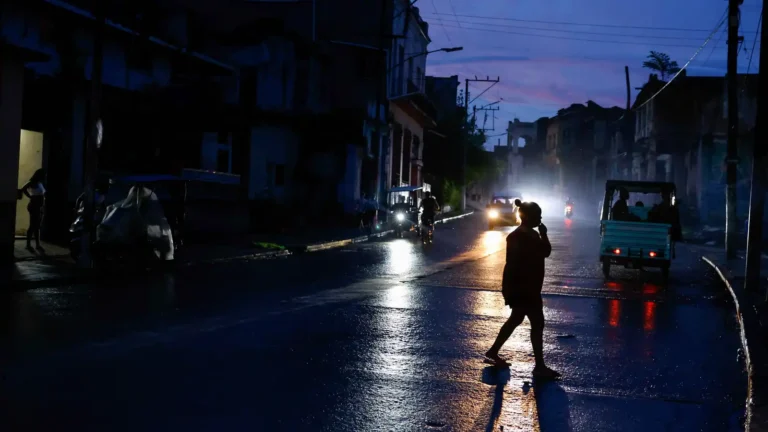
Havana, Cuba – Late Sunday, Cuba’s national electricity company announced a complete and total collapse of the country’s power grid, plunging the island, home to some 10 million people, into darkness. The blackout followed three similar nationwide outages in July. This sequence highlights the growing strain on the country’s aging energy infrastructure. Unión Electrica de Cuba (UEC) provided only very limited details. Moreover, the company offered no further information on the timeline for repairs or the evolving situation on the ground. The announcement was made only through posts on the X platform and Facebook.
Fuel supply crisis and the US blockade
Pressure has intensified on Cuba’s energy sector due to the ongoing inability to secure sufficient fuel imports to operate its power plants. Cuba suffered a significant blow with the loss of its primary fuel supplier. This was a result of the strict oil embargo imposed by the administration of US President Donald Trump. This came after the arrest of former Venezuelan President Nicolás Maduro on January 3rd. Venezuela has historically been Cuba’s main supplier of crude oil and petroleum products. With the escalation of US pressure and sanctions, oil imports from Mexico have also ceased. Consequently, the Cuban energy sector has become increasingly isolated. The government’s emergency plans have been rendered ineffective.
Cautious economic reopening amid sanctions
This crippling electricity crisis coincides with gradual shifts in Havana’s economic policy. These shifts have manifested in a cautious opening up of the energy sector, which is usually subject to strict government control. The changes are driven by fuel shortages and stringent US sanctions. In this context, the Cuban government recently authorized its first strategic fuel import project with direct support from foreign investors. In addition, it has allowed some 200 Cuban companies to participate in wholesale fuel distribution. This move is a desperate attempt to alleviate the crisis and contain the catastrophic consequences of the national grid’s collapse on the lives of citizens and economic activity on the island.