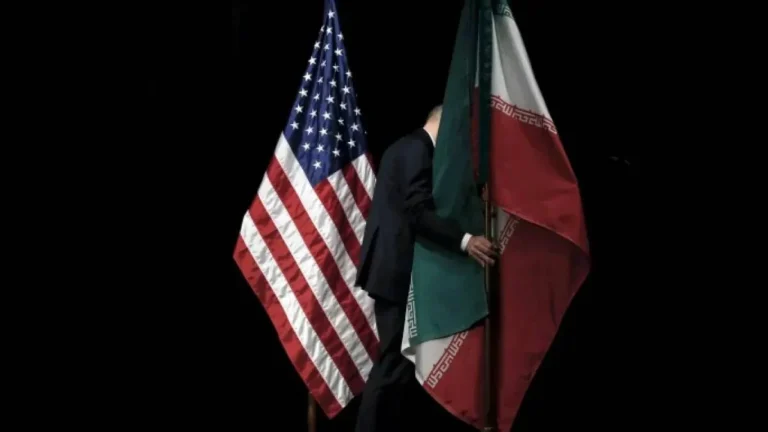
Tehran, Iran – Conflicting statements have emerged from Iran and the United States regarding the commencement of direct negotiations between Washington and Tehran. While US President Donald Trump confirmed the start of talks on Monday, the Iranian Foreign Ministry denied that any negotiations were currently underway between the two countries.
Iranian denial of negotiations
Iranian Foreign Ministry spokesman Esmail Baghaei confirmed that his country is not currently engaged in any direct negotiations or talks with the United States. He clarified that the ongoing discussions are limited to communication with the Sultanate of Oman and focus exclusively on securing a temporary safe passage through the vital Strait of Hormuz. The Iranian official emphasized that reaching a partial agreement with Oman is insufficient to fully reopen the waterway. Furthermore, he indicated that the situation on the ground will remain unchanged as long as what he termed the ongoing American “aggression” in the region continues.
The American narrative and Trump’s declaration
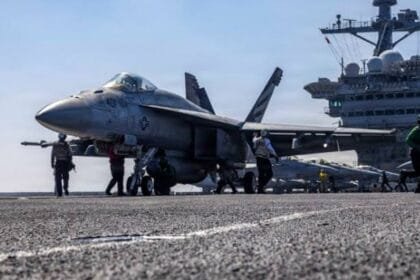
In contrast, the US administration issued a completely different statement. Agence France-Presse reported that US President Donald Trump announced that formal negotiations between Washington and Tehran would begin on Monday afternoon. This announcement came after his surprise decision to postpone and ultimately cancel planned military strikes against Iranian targets. This occurred as part of a final diplomatic effort to reach a comprehensive agreement.
In remarks to reporters aboard Air Force One, Trump explained this shift by saying that the Iranians now fully understand the risks involved. He added, “They obviously don’t want to be attacked. They were aware of the scale of the attack because they saw it taking shape.” He went on to describe the next phase: “What we’re doing now is talking to them in the form of negotiations. These negotiations will begin tomorrow afternoon,” clearly indicating the imminent start of bilateral talks despite the denials and diplomatic differences between the two countries.
The Iranian presidency’s position and the Islamabad memorandum
In a related context, and referring to the memorandum of understanding signed between Tehran and Washington in the Pakistani capital, Islamabad, Iranian President Masoud Pezeshkian stressed that his country “must strive to compel the enemy to abide by what it has signed.” Pezeshkian stated in a post on the “X” platform: “The signed memorandum of understanding is the result of the collective wisdom of the members of the Majlis (parliament), and all members support it. I believe this memorandum will be the cornerstone of our foreign relations in the future. We must strive to compel the enemy to abide by what it has signed.” The Iranian president added, emphasizing: “The security of the country, the region, and our allies will be strengthened through this memorandum.”
Repercussions of political discord
This sharp discrepancy in official statements reflects the complexity and ongoing tension behind the scenes of the current political and diplomatic crisis between Washington and Tehran. While the US administration seeks to promote the diplomatic track as a second chance to contain the escalation and reach an agreement guaranteeing maritime security, Tehran is keen to confine communication channels to limited regional frameworks. It is also addressing the issue of the waterway through intermediaries, avoiding any acknowledgment of direct negotiations with Washington. This is all happening amidst international anticipation of what the coming hours will bring in terms of field and political developments in the crisis.