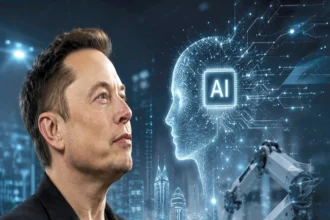

Beijing, China – China is witnessing the spread of a new model for utilizing artificial intelligence technologies, which allows individuals to rent out their facial features for money, with the aim of using them to create digital characters and realistic videos, in a development that reflects the rapid expansion of the uses of generative artificial intelligence, and at the same time raises questions about privacy and the protection of personal data.
How does the idea work?
This service relies on individuals consenting to record photos and videos of their faces and various expressions to train artificial intelligence models in producing digital copies that accurately mimic their features and movements. These virtual characters can then be used to produce promotional, educational, or entertainment content, according to terms agreed upon by both parties.
An opportunity to profit… and concerns about misuse
Some believe that these initiatives provide an additional source of income for those wishing to benefit from technological development, but experts warn of the risks of misusing biometric data, or exploiting digital faces to produce misleading or fake content, which necessitates the existence of clear legal controls that guarantee the protection of the rights of their owners.
Increasingly organized to keep pace with development
With the rapid expansion of artificial intelligence applications, Chinese authorities are developing regulatory frameworks aimed at balancing the promotion of innovation with the protection of privacy, requiring companies to obtain explicit consent from users before using their personal data or creating digital copies that mimic their faces, amid growing global interest in regulating the uses of artificial intelligence and ensuring its responsible deployment.