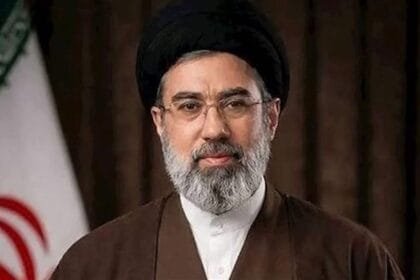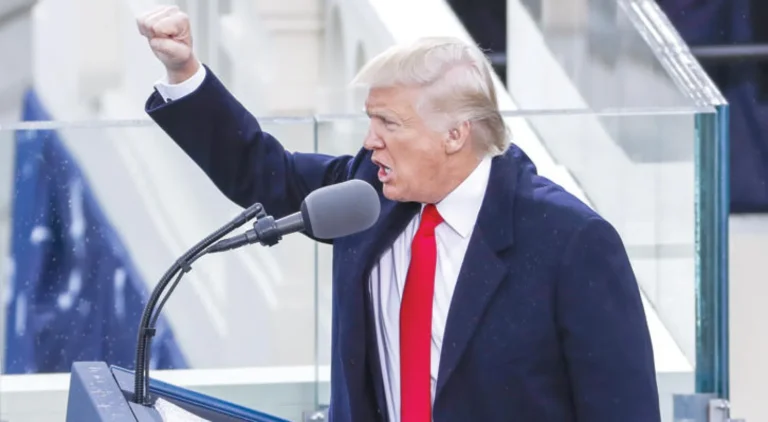
Washington, DC – In a sharp escalation of tensions between Washington and Tehran, US President Donald Trump issued a stern warning to Iran on Saturday, threatening it with “total destruction” if the Iranian regime carries out its threats to assassinate him. Trump confirmed that he had given direct and open orders to the US military to deal with this threat.
“Open orders” for the US military
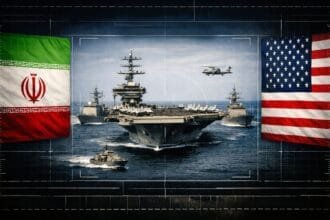
Through his platform “Truth Social,” Trump revealed an unprecedented military deterrence strategy, stating, “There are 1,000 missiles loaded and aimed at Iran, and thousands more will follow immediately if the Iranian government carries out its threat to assassinate me.” He added firmly, “The orders have already been given, and the U.S. military is fully prepared to obliterate and destroy all of Iran.”
This threat comes after Trump told the New York Post that he had given clear instructions to “bomb Iran at levels like never before” if he were to be assassinated, noting that Tehran has been trying to target him for years, although he denied that there was a new and specific Iranian plan at the moment.
Context of intelligence and political tensions
This escalation follows intelligence reports revealed by CNN indicating that Israel provided Washington with information about a possible Iranian plot to assassinate Trump. While the US administration downplayed this information, describing it as an Israeli attempt to pressure Washington into intensifying strikes against Tehran, the presidential statements reflect the seriousness with which any security threats are being addressed.
Diplomatic stumbling blocks and the Strait of Hormuz crisis
On the diplomatic front, international efforts to revive the talks continue, despite Trump’s declaration that the “ceasefire” was over, while maintaining that channels of negotiation remain open. The US demands currently focus on guaranteeing freedom of navigation in the Strait of Hormuz as a precondition for resuming any serious nuclear negotiations.
In response, Tehran adopted a similarly escalatory stance, with Iranian Foreign Minister Abbas Araqchi accusing the United States of violating existing agreements. The chief Iranian negotiator asserted that Tehran “does not trust the United States,” declaring his country’s readiness for “comprehensive defense” should it be subjected to any aggression.
While the tug-of-war between the two powers continues, the issue of navigation in the Strait of Hormuz and the Iranian nuclear program remain focal points of a complex geopolitical confrontation, with Trump’s military pledges serving as a tool of maximum pressure in the face of Iranian skepticism and faltering diplomatic moves.