Tehran, Iran – In a significant shift in Asian energy markets, Iranian oil exports are facing increasing pressure. Independent Chinese refineries have begun reducing their reliance on Iranian crude and turning to alternative suppliers in the Middle East. As a result, large quantities of Iranian oil have accumulated at sea.
Price competition decides Shandong’s choices
Reuters reported that independent refineries in China’s Shandong province—a major oil refining hub—have turned heavily to purchasing oil from Iraq, the UAE, and Qatar in recent weeks. This shift is primarily due to price differences; competing suppliers have offered attractive discounts ranging from $5 to $8 per barrel, while discounts on Iranian light crude have remained limited, at only $2 to $3 per barrel. According to data from Kpler, a company specializing in tracking oil tankers, China’s imports of Iranian oil have plummeted to 556,000 barrels per day in July, their lowest level since January 2023.
Floating storage dilemma
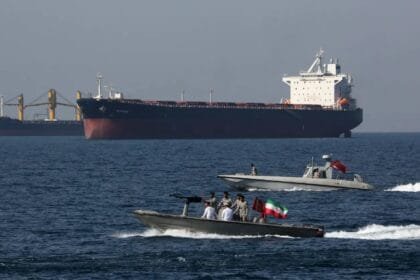
This decline comes at a time when Tehran has increased its production and exports during the interim agreement with the United States. This has resulted in a situation of “floating storage,” where the volume of Iranian oil sitting at sea without buyers has grown. This is putting financial pressure on Tehran to sell these quantities.
Energy traders believe Iran has only one option to regain its lost market share: offering further, more competitive price cuts. Tehran is expected to begin offering more attractive prices next week in an attempt to encourage Chinese refineries to resume shipments.
Market reflections
This trend in the Chinese market reflects the sensitivity of independent refineries to price fluctuations, as these companies prefer to secure their needs from sources offering higher profit margins, especially given the volatility of global oil prices. According to observers, the continued price gap could exacerbate the Iranian export crisis. Consequently, Tehran may be forced to make further price concessions, which could impact overall oil revenues amidst ongoing economic pressures. Markets are awaiting Tehran’s response to this fierce competition, with expectations that next week will be crucial in determining the future flow of Iranian crude to China.