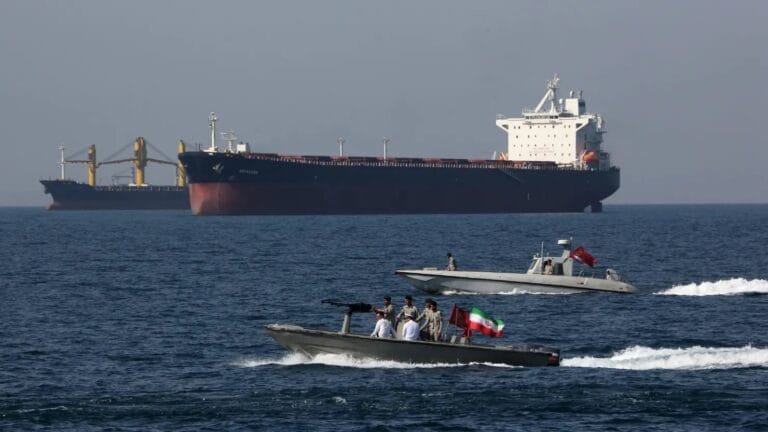
Tehran, Iran – European countries are considering new proposals concerning navigation in the Strait of Hormuz that could allow for the imposition of fees for certain services provided to transiting vessels. This move aims to enhance maritime security and protect one of the world’s most important waterways, amid ongoing security tensions in the region.
The Guardian reported that the proposals do not aim to impose mandatory transit fees. Instead, they focus on collecting fees for navigational services such as pilotage, improved safety procedures, and marine environmental protection. This aligns with international law governing waterways.
According to the newspaper, a number of European countries are studying these ideas as a means of providing sustainable financing to secure navigation in the Strait of Hormuz. A large portion of global oil and gas exports pass through the strait, and it is a major artery for international trade.
She pointed out that imposing any mandatory fees on the crossing of ships may raise widespread legal controversy, given the legal status of the strait as an international corridor. Therefore, European countries are looking for mechanisms that do not conflict with international navigation agreements.
These discussions come at a time of growing concern about the impact of regional tensions on maritime shipping, particularly following a series of security incidents in the region recently. This has prompted several countries to intensify their efforts to ensure the safety of navigation and the continued flow of global trade without disruption.
Observers believe that any international agreement on these proposals could represent a turning point in the management and security of navigation within the Strait of Hormuz. However, the implementation of any agreement will remain contingent on broad international consensus and adherence to the legal principles governing freedom of navigation in international waterways.