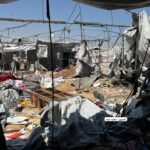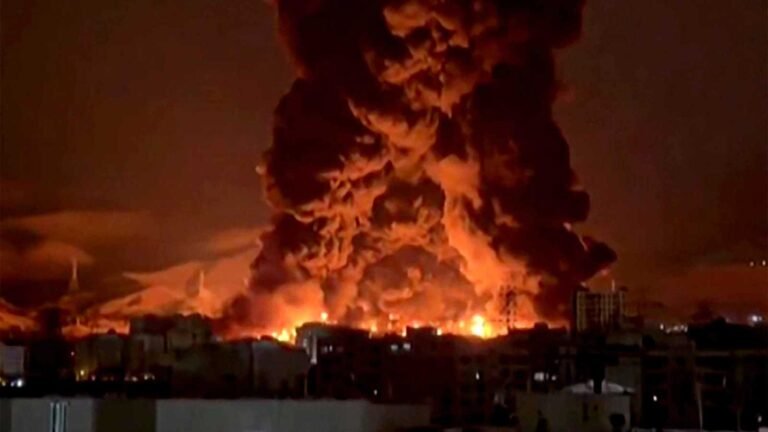
Tehran, Iran – In a dramatic and rapidly escalating development, powerful explosions rocked areas west and southwest of the Iranian capital, Tehran, on Monday morning, June 8, 2026. While initial reports were conflicting, official news agencies, including Tasnim and Khabar Online, confirmed the explosions. This suggests that the scope of the Israeli response has expanded to reach deeper into Iran once again.
Comprehensive Israeli response
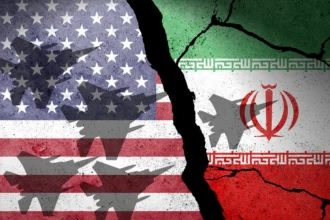
These developments follow a large-scale missile attack launched by the Islamic Republic of Iran against Israel, in protest against Israel’s intensive airstrikes against Hezbollah in Lebanon. In response, the Israeli military announced a series of targeted airstrikes against military and strategic sites in western, central, and southern Iran. This continues the cycle of tit-for-tat attacks that is pushing the region to the brink of a full-blown confrontation.
Rocket barrages from Tehran renewed
Just as the situation appeared to be escalating, the Israeli military detected a new barrage of rockets launched from Iranian territory at approximately 10:00 AM Tehran time. The rockets were likely headed toward northern Israel. This development triggered sirens in settlements and northern regions. The Israeli military also issued immediate warnings to residents to seek shelter in fortified areas.
The Israeli army spokesman confirmed in a brief statement that air defense systems “are currently working to intercept aerial threats,” calling on the Israeli public to “act responsibly and follow preventive guidelines precisely,” stressing that “these guidelines save lives.”
open conflict
This scene reflects the two countries entering a phase of “open confrontation” that has transcended traditional rules of engagement. While Tehran attempts to showcase its missile power to impose a new deterrent equation, Israel insists on intensifying its operations deep inside Iran. This is happening amidst timid international calls for de-escalation that have fallen on deaf ears.
As explosions continue to rock Tehran and missiles are still being intercepted in Israeli airspace, experts agree that the region is facing critical hours that could redraw the map of military and security influence in the Middle East. This comes against the backdrop of this ongoing pattern of violent confrontations, which now pose a direct and unprecedented threat to infrastructure and regional stability.