Tel Aviv, Israel – In a strategic military move reflecting escalating regional tensions, the Israeli Ministry of Defense signed a major contract on Thursday with Cyclone, a subsidiary of defense industry giant Elbit Systems. The contract aims to significantly enhance the offensive capabilities of the F-35 Adir fighter jet. The deal comes at a sensitive time, amid growing international concerns about the collapse of the fragile ceasefire following direct military confrontations with Iran.
Deal details and operational flexibility
According to an official statement from the Israeli government, the deal is worth more than $34 million (over 100 million shekels).
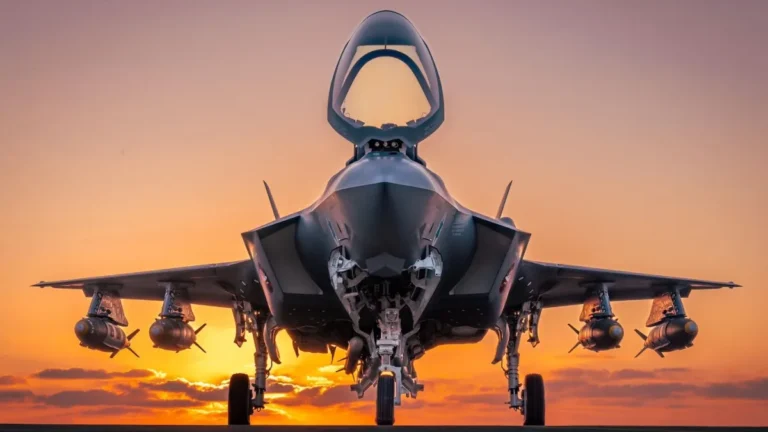
The contract focuses on the development and integration of advanced external fuel tanks. These tanks are based on existing designs by Cyclone, originally developed for F-16 fighter jets, but have been adapted to meet the complex technical requirements of fifth-generation fighters.
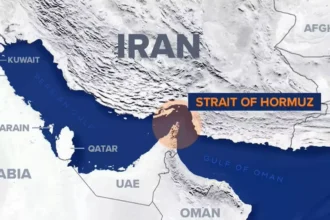
The statement explained that the primary objective of this new capability is to dramatically increase the fighter jet’s operational range, thereby reducing the Air Force’s reliance on aerial refueling. Aerial refueling is a complex operation fraught with risks in hostile airspace. These tanks will also grant military commanders greater operational flexibility in conducting “beyond the horizon” missions and will enable strikes against targets deep inside Iranian territory.
The challenge of stealth and advanced software
For his part, Israeli Ambassador to Washington, Yehiel Leiter, revealed intriguing technical details, emphasizing that the modifications made to the F-35I to increase its flight range were meticulously designed to ensure that the aircraft’s stealth capabilities remained unaffected. Leiter noted that the integration of the additional fuel tanks and the four-wing missiles was carried out in a way that maintains the aircraft’s stealth capabilities against advanced radar systems.
In parallel with the hardware development, Lockheed Martin received an $11.4 million amendment to its contract to develop additional software specifically for the Israeli Navy.
These software packages, known as Advanced Production Editions (APEs), include updates to command and control systems and systems architecture. These updates address Israel’s unique combat requirements.
Strategic messages and critical timing
Observers believe the timing of this program is not coincidental; it is a direct response to lessons learned from the intensive military operations against Iranian forces and Hezbollah. This move came particularly after the large-scale attack launched by the United States and Israel on February 28.
These moves are part of the Israeli Defense Ministry’s “force-building strategy,” which clearly aims to ensure absolute air superiority in the face of a “tense security situation.” The possession of F-35 fighter jets capable of reaching the heart of Iran and returning without aerial refueling alters the deterrence equation in the region. It also places Iran’s nuclear program and strategic stockpiles under direct and constant threat.