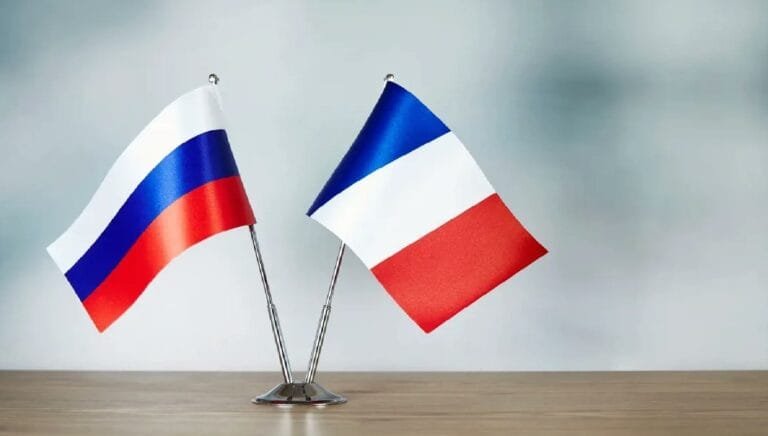
Paris, France – In an escalation reflecting growing tensions between Paris and Moscow, French Foreign Minister Jean-Noël Barrot announced on Monday that France has decided to summon the Russian ambassador in the coming days. This measure comes as a formal protest against what Paris described as a widespread cyberattack campaign launched by Moscow against several European countries, including France.
French sanctions against Russian entities
In a related development, Barrault revealed during an interview with BFM TV and RMC that the French government is preparing to impose a package of sanctions targeting nine individuals and four entities. The minister asserted that the Russian Federal Security Service (FSB) bears direct responsibility for organizing and directing this systematic cyber campaign, which aims to undermine cybersecurity in Europe.
Targeting critical infrastructure
The French minister explained that the cyberattacks were not random, but rather targeted sensitive strategic sectors, including sovereign ministries, major companies, and vital service providers.
Baroux pointed to evidence of attempts to disrupt critical infrastructure, citing similar incidents that recently targeted the railway sector in Poland.
He said that French security and technical agencies successfully detected these attacks early on. He also emphasized that France has worked significantly in recent times to strengthen its defense capabilities to counter such growing threats.
The context of the security conflict
These French moves come at a time of escalating crises in relations between European capitals and Moscow, with Western accusations against Russia of using cyberattacks as a tool for political and security pressure mounting.
These developments unfold against a backdrop of already heightened security tensions stemming from the ongoing war in Ukraine. Furthermore, national security issues have become a central point of contention in the growing rift between the two sides. This reinforces the atmosphere of mutual distrust and the indirect confrontation playing out in the digital and political spheres of Europe.