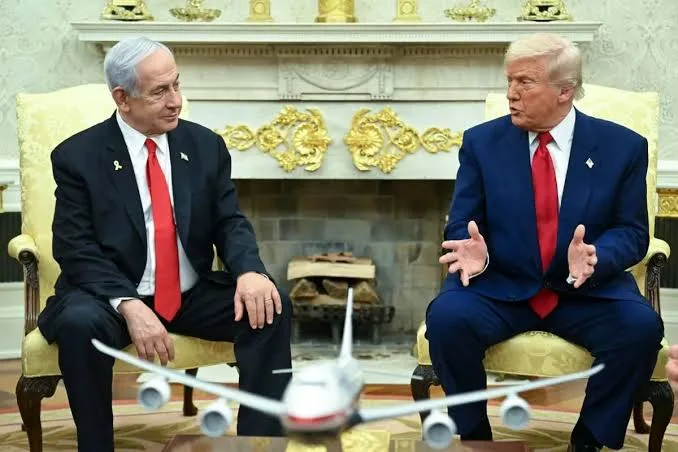
Tel Aviv, Israel – In a diplomatic move reflecting an attempt to contain escalating tensions between the two allies, the office of Israeli Prime Minister Benjamin Netanyahu announced on Saturday arrangements for a planned visit to the United States to meet with President Donald Trump. This will be Netanyahu’s seventh visit to the US since Trump’s return to the White House in January 2015, and it comes at a critical juncture marked by divergent views on the Iranian and Lebanese issues.
“Last chance” agenda
This highly anticipated summit comes amid significant geopolitical complexities. Washington is pushing for the completion of peace negotiations with Tehran, which recently included a memorandum of understanding to extend the ceasefire and reopen the Strait of Hormuz. However, these diplomatic efforts are provoking Israel, which views them as a threat to its national security. The Lebanese situation also represents a major point of contention; Netanyahu insists on continuing military attacks, while Trump sees this escalation as a major obstacle that could derail regional peace talks and lead to a full-blown war.
A “strained” or “strategic” relationship?
Despite official statements affirming the strength of relations, behind-the-scenes communication between the two sides has been noticeably strained in recent weeks. Media reports, including those from the New York Post and Axios, have highlighted tense phone calls in which Trump previously expressed his deep displeasure with the continuation of Israeli military operations in Lebanon, warning Netanyahu that he risked losing American support if he persisted with his “reckless escalation” policies.
In a phone call on Friday, Netanyahu congratulated Trump on the 250th anniversary of the founding of the United States, emphasizing the centrality of the bilateral relationship. The call was described as “friendly,” suggesting an attempt by both sides to move past the public disagreements that marred their coordination in early June.
A faltering road map
Despite Israel signing a trilateral framework agreement with Lebanon and the United States on June 26, progress toward a permanent agreement remains slow. Observers believe Netanyahu’s upcoming visit aims to try to “coordinate” the American role in the region and ensure that the US-Iranian rapprochement does not negatively impact Israeli security interests.
As the summit approaches, attention is turning to whether Netanyahu will succeed in extracting new American guarantees, or whether Trump will use this visit to impose stricter “red lines” that put an end to Israeli operations in Lebanon and push for a final settlement of the Iranian nuclear issue, within the framework of the new American administration’s vision for reshaping regional security.