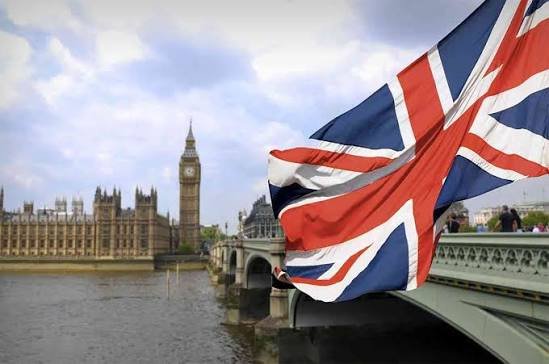
London, England – The British government has announced it will not make any new financial commitments or long-term spending decisions until a new prime minister is elected and a government with a full political mandate is formed. This move aims to ensure the stability of economic policies during the country’s transition period.
Government officials confirmed that ministries will continue their day-to-day operations and manage essential state affairs. However, decisions that could impose significant financial burdens on the public budget or have long-term implications will be postponed until the new leadership officially assumes its responsibilities.
This move comes amid a climate of anticipation within British political and economic circles. Markets and investors are closely monitoring the leadership contest and the potential changes it may bring to fiscal and tax policies and public spending plans.
Observers note that avoiding strategic financial decisions during the transition period is a common practice in many parliamentary democracies. Therefore, this measure aims to give the incoming government the freedom to set its own economic priorities and implement its program without constraints or prior commitments.
Conversely, the government has emphasized the continuation of previously approved programs and the fulfillment of existing financial obligations. It has also affirmed that public services and the operating expenses of government institutions will not be affected by the temporary measures associated with the transition of power.
Britain currently faces multiple economic challenges, including growth rates, inflation levels, and pressures on public spending. In addition, there is a need to attract investment and enhance the competitiveness of the national economy—issues expected to be at the top of the new prime minister’s agenda upon taking office.
The British public and economic circles are awaiting the results of the political leadership race in the coming period. Amidst this anticipation, there are expectations that the new government will set the direction for spending, investment, and economic reforms that will guide the country in the coming years.