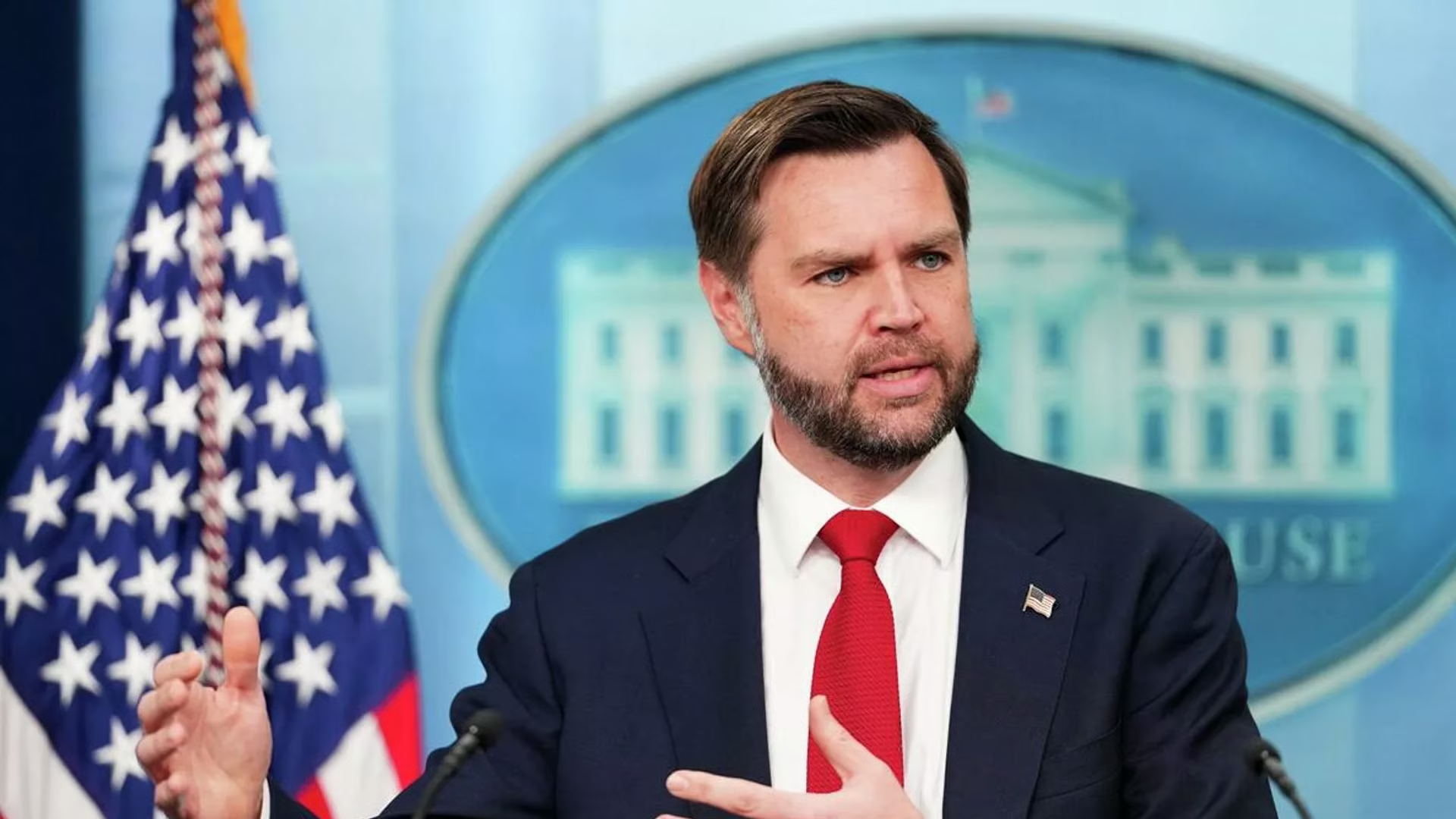
Zurich, Switzerland – US Vice President J.D. Vance arrived in Switzerland on Sunday in a significant diplomatic move aimed at leading direct talks with Tehran. The visit comes within the framework of a fragile agreement seeking to end the military escalation and address the thorny Iranian nuclear issue, which casts a shadow over regional stability.
Vance’s statements and dialogue priorities
Before departing, Vance emphasized that the mission extends beyond the nuclear track to include pressing regional dimensions. He stated, “I look forward to beginning technical discussions with representatives from Iran, Pakistan, and Qatar. We hope to make tangible progress on the nuclear issue, and in parallel, we are focused on achieving a ceasefire in Lebanon. These are the two most important issues currently occupying our attention.”
Arrival of the Iranian delegation in Zurich
Despite escalating tensions and repeated threats from Iran’s Revolutionary Guard to close the Strait of Hormuz, Iranian state media confirmed the arrival of a high-level delegation in Zurich, Switzerland. Published photos showed Mohammad Bagher Ghalibaf, Speaker of the Islamic Consultative Assembly, and Foreign Minister Abbas Araqchi among the negotiating team. This underscores the political and parliamentary significance of these talks.
The field is putting pressure on the negotiating table.
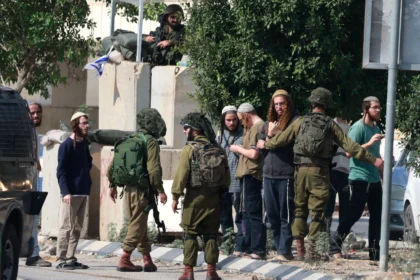
These talks are taking place under intense pressure on the ground, with Israeli media, citing the Israeli army, reporting the deaths of five Israeli soldiers in clashes in southern Lebanon over the past 48 hours. The casualties occurred in two separate attacks; one targeting an Israeli tank early Friday morning. The other attack was attributed to Hezbollah fighters, who enjoy ongoing Iranian support. Despite this, the Lebanese government rejects such interference in Beirut’s internal affairs.
faltering diplomatic path
These talks are based on a “Memorandum of Understanding” signed electronically by US President Donald Trump and Iranian President Masoud Pezeshkian. This memorandum represents a gradual approach to reaching a final agreement. This path faces strong opposition within the US Congress. Despite this, President Trump insists on defending this step, considering it a strategic necessity. Meanwhile, world capitals are awaiting the outcome of the “Zurich negotiations” to see whether they will succeed in transforming the fragile agreement into a lasting truce, or whether hopes will evaporate in the face of the complexities of the conflict on the ground and in the political arena.