Berlin, Germany – On Monday afternoon, all eyes will be on the French city of Évian-les-Bains, where the G7 summit is about to begin. Behind the scenes at this summit, hosted by the city famous for its mineral waters on the shores of Lake Geneva, German Chancellor Friedrich Mertz is pursuing a strategic objective: to repair his relationship with US President Donald Trump after a period of unprecedented tension.
Statements that angered Trump
These meetings come at a sensitive time, especially after Mertz remarks at the end of April,
in which he described the United States as “humiliated” by Iran, provoking Trump’s ire.
The US president responded harshly, demanding that Merz focus on “repairing his own country” instead of interfering in Iranian affairs.
This verbal sparring severely damaged the image Merz had long cultivated as a “friend of Trump” in Europe.
Despite Merz’s attempts to downplay the crisis during a closed-door meeting of his party’s executive committee (CDU/CSU),
claiming that his relationship with Trump was “too strong to collapse because of a critical statement,”
he is well aware of the need for practical steps to appease the US president.
Diplomacy of letters and gifts
Merz has adopted a careful and deliberate approach to rapprochement since the crisis deepened.
In a personal gesture, he sent a handwritten letter to Trump on the occasion of his 80th birthday last Sunday.
He ensured the letter was delivered by a special envoy at the entrance to the White House,
with a clear request that its contents not be disclosed.
Mertz ambitions don’t stop there. He intends to present Trump with a “surprise gift”
during their upcoming lunch in Evian. This gift is intended as an attempt to break the ice.
For his part, political scientist Benjamin Hun asserts that courting Trump might be a shrewd move.
However, it will not alter the realities of the balance of power;
he emphasizes the need for Germany to maintain a cautious approach in its transatlantic partnership.
Pressure points and areas for collaboration
There appears to be a real prospect for a solution. Following a phone call between the two leaders in mid-May,
sources in Washington revealed that Trump wants to discuss steps toward a Middle East agreement, specifically a “framework agreement.”
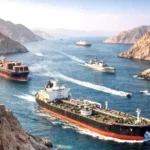
Germany’s role is crucial here, as Berlin is expected to propose the participation of “modern German minesweepers” in demining operations in the Strait of Hormuz.
This strait has been closed since the end of February following the outbreak of hostilities between the United States and Iran.
This German contribution could be a “trump card” for Mertz. Jürgen Hardt,
Mertz party’s foreign policy spokesperson, stated that Germany will not waver in its support for peace,
expressing his hope that the summit will prioritize cooperation.
According to Hardt, any weakening of the Western position would send “the wrong signals” to Tehran, Moscow,
and Beijing in this delicate international climate.