Washington, DC – The Wall Street Journal, in a prominent report citing diplomatic sources and regional mediators, revealed new complications facing international efforts to de-escalate tensions in the Middle East.
According to the newspaper, influential security and military circles in Iran had not, as of Friday, given their official approval to the terms of the preliminary agreement proposed by the administration of US President Donald Trump to reduce regional tensions and end existing armed conflicts. This, therefore, poses a significant challenge to the negotiation process.
Parallel diplomatic efforts and a breakthrough in thorny issues
Despite Tehran’s military and security reservations, the same media outlet indicated that diplomatic channels remain active and are making tangible progress on complex issues. Most notably, they are working on arrangements for reopening the strategic Strait of Hormuz to international shipping. These channels are also working to find common ground for resolving outstanding issues related to the nuclear program.
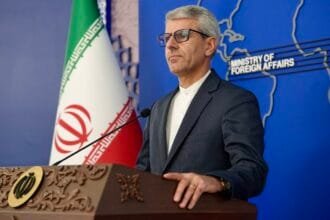
Sources confirmed that senior diplomats and foreign policy officials in the Islamic Republic are actively and intensively participating in these ongoing negotiations. They are also attempting to bridge the gaps between Iranian demands and American conditions.
Intensive regional moves and a demand for a “digital truce”
In a related development, the newspaper quoted “informed sources” as saying that regional leaders, driven by a strong desire to avoid a new round of military escalation and geopolitical tensions in the Arabian Gulf region, held direct and intensive talks with President Trump on Thursday.
The regional leaders urged the US administration to immediately halt the attacks. Furthermore, they assured Trump that a comprehensive and final agreement was very close and within reach. However, they stipulated a key condition: a complete cessation of military operations and that the US president refrain from posting inflammatory messages or tweets on social media platforms that could undermine mediation efforts.
The timing dilemma: Tehran’s conditions for opening the Strait of Hormuz
According to the report, the indirect negotiations between the two sides have already seen positive breakthroughs regarding the release of frozen Iranian assets and funds held abroad. They also addressed mechanisms for reopening the Strait of Hormuz. In addition, negotiators discussed how to draft the final agreement to cover all aspects of the Iranian nuclear program in a way that safeguards the interests of all parties.
However, the core sticking point remains the timing and sequence; participants in the talks reported that Iran insists on receiving its frozen assets very early on. Furthermore, Iran maintains that the economic embargo and US sanctions imposed on it must be eased as a first step toward building trust. This should take place before Tehran begins implementing its commitments and taking concrete steps to fully reopen the Strait of Hormuz to international trade.