Abu Dhabi, UAE – ADNOC Gas PLC announced its financial results for the second quarter of 2026. Achieving net income of AED 2.44 billion ($665 million), exceeding the indicative range of AED 1.47 billion to AED 2.20 billion ($400 million to $600 million). This is despite the exceptional external unrest witnessed during this period.
The company has also made significant progress in implementing its long-term growth strategy. By making two final investment decisions and awarding two engineering, procurement and construction contracts for the second and third phases of the “Rich Gas Development Project”. (They are collectively referred to as “contract award”).
The two final investment decisions contribute to raising the targeted growth in profits. ADNOC Gas’s EBITDA deduction to 60% by 2030 compared to 2023. Exceeding the company’s previously announced goal of achieving more than 40% growth in profits during the period from 2023 to 2029.
long-term value
This update confirms the company’s confidence in its ability to achieve long-term value. With its strong project portfolio and disciplined approach to capital allocation.
ADNOC Gas also expects to invest up to AED 102.83 billion ($28 billion) between 2026 and 2030 to achieve its growth targets.
ADNOC Gas is implementing one of the largest gas growth programmes in the sector. Which includes four major projects: “Al-Ruwais LNG”, “Miram”, “Rich Gas Development”, and “Sustainability”.
Completion of the Miram project
In total, these projects are expected to contribute to achieving an additional local value estimated at approximately 49.21 billion dirhams ($13.4 billion). This enhances the company’s pivotal contribution to supporting industrial development efforts and economic diversification in the UAE.
The program continues to make tangible progress, as the Miram project is expected to be completed during 2027, while the implementation of the Ruwais LNG and Sustainability projects is proceeding according to the approved timetables.
This growth is based on ADNOC continuing to implement investments across the gas value chain. Including the recently announced Bab Field Gas Cover Development Project and Umm Al Shaif Field Gas Cover Development Project.
These projects are expected to contribute to providing additional supplies of natural gas and associated gas liquids within ADNOC Gas’ integrated value chain. This supports increasing the quantities of intermediate raw materials, increasing processing capacities, and enhancing liquefied natural gas exports. And create additional sources of revenue.
Use of artificial intelligence
ADNOC Gas also continues to expand the use of advanced artificial intelligence and robotics technologies across its operational assets. Including drones, four-legged inspection robots, and crawler robots capable of climbing tanks.
These technologies reduce inspection costs by up to 75% and speed up inspection processes by up to 15 times compared to traditional methods. In addition to enhancing safety levels by reducing individuals’ exposure to high-risk environments. To support the company’s move towards more independent operations and reliance on autonomous technologies.
ADNOC Gas continues to consolidate its position as the largest dividend distributor on the Abu Dhabi Securities Market.
proactive measures
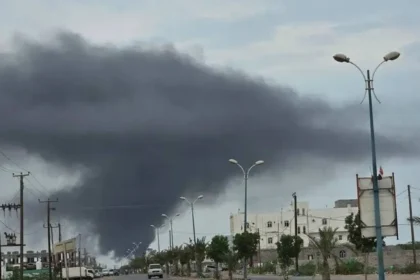
ADNOC Gas responded quickly to the two security incidents at the Habshan complex on April 3 and 8, prioritizing personnel safety and reducing any disruption to customer supplies.
The company has completed a technical assessment of the impact of the two incidents, and operational capacity restoration work has progressed faster than planned. The company was able to restore 85% of gas supplies, exceeding the target previously announced last May.
The ongoing disruptions in shipping traffic through the Strait of Hormuz affected the transportation of the company’s products during the second quarter of 2026.
In response, ADNOC Gas has taken proactive measures to manage inventory, logistics and supply chain operations. It worked closely with clients and partners to mitigate the effects of these disruptions, address temporary restrictions, and fulfill its obligations whenever circumstances permitted.