Brussels, Belgium – A recent investigative report by the Dutch organization What to Fix has revealed serious security and legal loopholes in the policies of major social media platforms.
Accounts linked to individuals subject to EU sanctions continued to use monetization tools long after those sanctions were imposed.
Pro-Kremlin intervention and profit tools
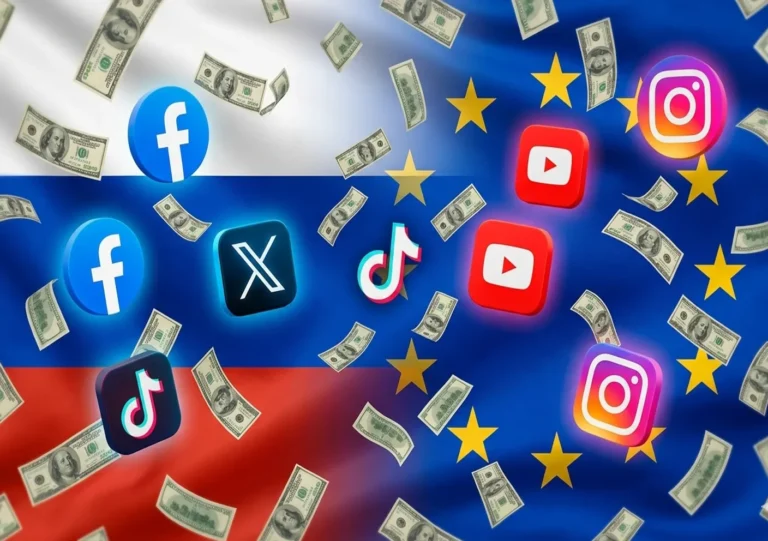
The analysis targeted 21 accounts across Facebook, Instagram, TikTok, YouTube, and X.
These accounts were linked to Nathalie Yamp, Sylvain Afoua, and Justin Tajoh.
The European Union imposed sanctions on these three individuals in 2025
for their involvement in pro-Moscow influence operations targeting audiences in Africa.
They were also accused of supporting disinformation campaigns.
Natalie Yamp, a Swiss-Cameroonian political commentator with over two million followers, is one of the most prominent figures targeted.
This is because she is associated with organizations that support Russian private military companies.
Tajoh founded the Afric Media network, which relies on partnerships with Russia Today (RT) for its content.
Afric Media also promotes the activities of the Wagner Group.
Afoua is known for leading the African Black Defence League, an organization that was dissolved in France in 2021.
Challenging laws and transparency
Under European sanctions laws, providing any economic resources to sanctioned individuals is prohibited.
However, researchers found that these accounts continued to offer monetization features, such as creator subscriptions and channel memberships.
These features allow platforms to pay out directly based on audience engagement.
In a statement to Euronews, Victoire Rio, executive director of the organization
What Must Be Fixed, confirmed that these practices lack transparency.
She also pointed out that direct monetization programs on platforms constitute a “systemic risk factor.”
She explained that the issue raises legal questions about the compliance of major companies with the EU Digital Services Act (DSA), specifically Article 34,
which requires platforms to assess the systemic risks arising from their services.
Platform response
Following these findings, the platforms began taking corrective measures.
TikTok removed accounts linked to Avowa, while YouTube affirmed its commitment to sanctions and commercial compliance laws.
It also pledged to take necessary action against any violations of its terms of service.
The report concludes that the lack of oversight and transparency in the vetting processes for creators
before granting them access to monetization tools transforms social media platforms into indirect funding grounds for disinformation campaigns.
Therefore, stricter regulatory interventions are required to ensure that these companies do not become tools for undermining international sanctions.