Tel Aviv, Israel – Amidst a flurry of diplomatic activity aimed at reaching a settlement to end the war with Iran, an Israeli political source confirmed that Washington is keeping Tel Aviv fully informed of all developments related to the ongoing negotiations.
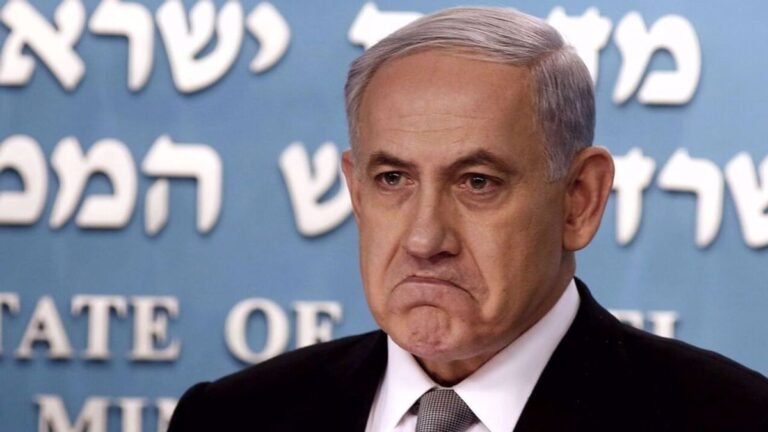
The source explained to The Times of Israel that Israeli Prime Minister Benjamin Netanyahu emphasized a firm “red line” during his conversation with US President Donald Trump last night. He also affirmed that Israel will continue to maintain its freedom of action against threats on all fronts, including Lebanon. Trump, in turn, reiterated his support for Netanyahu.
Trump’s conditions for a final agreement
Regarding the course of the negotiations, sources reported that President Trump reaffirmed his firm stance, emphasizing that any final agreement with Tehran must include the complete dismantling of Iran’s nuclear program and the removal of all enriched uranium stockpiles from Iranian territory.
Trump indicated that the US administration would not sign any agreement unless these essential security conditions were met.
“The Strait of Hormuz”: The main point of contention
This confirmation comes at a time of conflicting statements regarding the Strait of Hormuz. President Trump had previously stated via Truth Social that a significant portion of a memorandum of understanding had been negotiated. This includes provisions to reopen the strait—whose closure has disrupted global energy markets since the war began last February—and he asserted that the final details would be announced soon.
However, this American optimism was met with an official denial from the Iranian side. The Iranian news agency Fars quoted its sources as saying that Trump’s claim regarding the reopening of the Strait of Hormuz “does not align with reality.” It also emphasized that Tehran maintains its control over the Strait as an integral part of its sovereignty. While the world awaits announcements in the coming hours, the regional landscape remains suspended between the desire to end the war and the deep divisions over sovereignty and nuclear demands that continue to hinder reaching a final agreement.