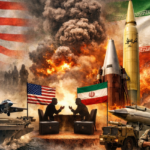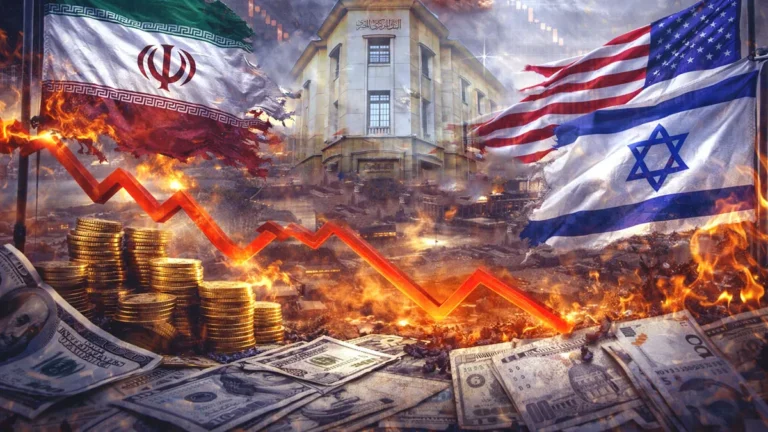
Washington, DC – Warnings are mounting within US military and economic circles about the exorbitant cost of any open military confrontation with Iran. These warnings come amid assessments indicating that a potential war could become one of the most draining conflicts for the United States in recent decades, financially, militarily, and strategically.
US reports and research centers indicate that a large-scale war with Tehran could cost Washington nearly $29 billion in the first few months alone. In addition, there are long-term losses associated with rising oil prices, disruption of shipping in the Gulf, and the costs of redeploying military forces in the region.
Military assessments have warned that US forces could face direct losses in equipment and aircraft, especially given Iran’s large arsenal of missiles, drones, and air defense systems. Some scenarios suggest that up to 42 US aircraft could be destroyed or damaged in a large-scale confrontation involving military bases in the Gulf or aircraft carriers in the region.
Experts believe that the war would not be conventional or short. Rather, it could escalate into a multi-front war of attrition, stretching from the Strait of Hormuz to Iraq, Syria, and the Red Sea. This would significantly increase US military spending and drive up global insurance, shipping, and energy costs.
Global markets also fear serious economic repercussions, as any military escalation could push oil prices to record highs. Furthermore, there is a risk of disruption to trade and energy flows through the Gulf, through which a large portion of global oil exports pass.
In contrast, Iran asserts its capability to retaliate against any attack, pointing out that numerous US bases in the region are within range of its missiles. This raises concerns about a wider confrontation and its potential transformation into a full-blown regional crisis.
Observers believe that the frequent discussions about the cost of war reflect Washington’s anxiety about being drawn into another conflict in the Middle East. This is especially true after the costly experiences the United States had in Iraq and Afghanistan, which resulted in enormous financial and military losses without achieving lasting stability in the region.