Washington, DC – The international arena is witnessing rapid transformations that are reshaping the political, economic, and military balance of power worldwide. This comes amidst escalating competition among major powers, expanding regional crises, and technological advancements. These changes are directly impacting the future of the international order.
Analysts believe that recent years have revealed the world’s transition to a new phase characterized by multiple centers of influence. Simultaneously, the roles of international and regional powers seeking to bolster their political, economic, and military presence in various parts of the world have grown. At the same time, the traditional notions of hegemony that governed international relations for decades have declined.
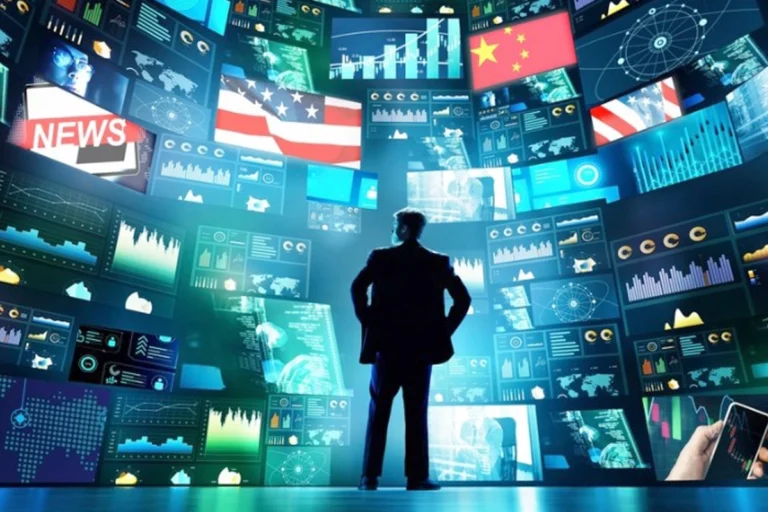
Rapid technological advancements, particularly in artificial intelligence, cybersecurity, and modern energy, are playing a pivotal role in reshaping the tools of global influence. Meanwhile, major powers are vying to possess the most impactful technologies in the economic, defense, and cybersecurity sectors.
Furthermore, successive international crises, ranging from military conflicts to energy and food crises and trade tensions, have exacerbated polarization between international blocs. These crises have compelled many countries to reassess their political and economic strategies in search of new balances that safeguard their strategic interests.
In light of these changes, international calls are growing for a more balanced and cooperative global order based on multilateral partnerships and respect for shared interests. This is preferable to the policies of confrontation and polarization that threaten global stability.
Observers believe that the next phase may witness even more profound shifts in the nature of international alliances, especially given the ongoing race for economic, technological, and military influence among major powers in a world changing at an unprecedented pace.